

Por Mariana Adorno
En esta noticia
The Immigration and Customs Enforcement (ICE) announced through its official website the launch of a nationwide operation to locate undocumented immigrants who have allegedly fraudulently accessed the Supplemental Nutrition Assistance Program (SNAP).
The first arrests have already been made, including undocumented immigrants with criminal records. According to ICE, these arrests are part of the first phase of the operation.
Who are ICE agents looking for?
According to the official ICE statement, the operation is aimed at undocumented immigrants who have allegedly fraudulently obtained SNAP benefits, including some with criminal records.
“Undocumented immigrants, who have no right to be here, are the ones who least should benefit from the SNAP program and other forms of social assistance”, said the Secretary of the Department of Homeland Security (DHS), Markwayne Mullin.
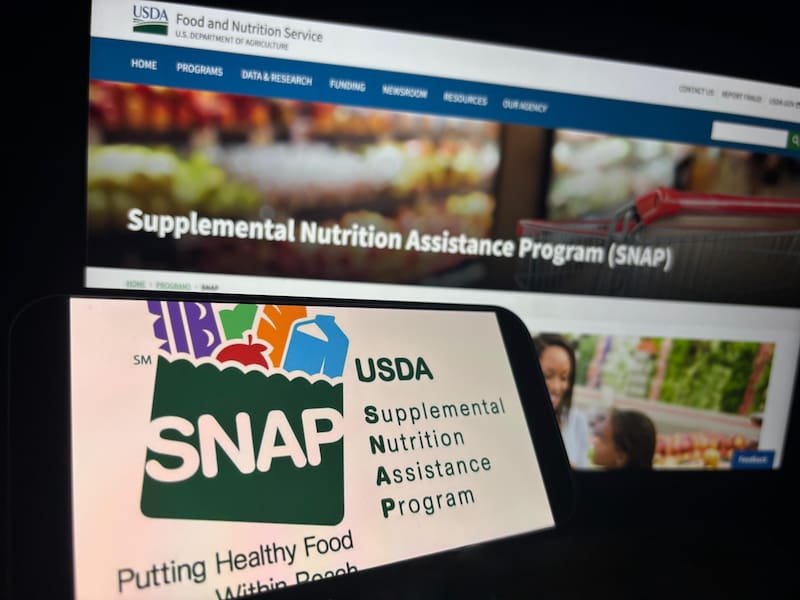
The agency reported the detention of four Haitian immigrants. According to the statement, one of them had a record of arrests for theft, obstructing law enforcement officers, and trespassing.
Why are they accused of committing fraud with the SNAP program?
According to ICE, the people under investigation would have received food benefits funded with federal money without meeting the legal requirements to access the program.
The agency maintains that these immigrants entered the United States irregularly and obtained benefits to which they were not entitled.
According to the Department of Agriculture (USDA) rules, undocumented immigrants are not eligible to receive SNAP benefits, since only certain categories of foreigners with legal immigration status can access the program, provided they meet the other established requirements.
What is the purpose of the SNAP program?
The Supplemental Nutrition Assistance Program, also known as SNAP or food stamps, is a federal initiative administered by the USDA that seeks to help low-income individuals and families buy food and maintain an adequate diet.
It is intended for households that meet certain economic and eligibility requirements. Its possible beneficiaries include low-wage workers, unemployed people, older adults, and people with disabilities.
Assistance is provided through an Electronic Benefit Transfer (EBT) card, which allows eligible food to be purchased at authorized stores.