En esta noticia
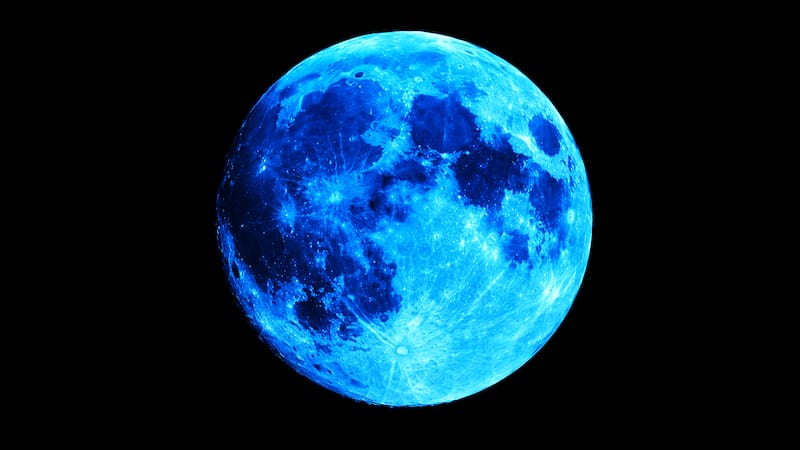
At the end of the fifth month of 2026, there will be a highly significant and very uncommon astronomical event. It is the Blue Moon that will take place on one of the last nights of May.
It is the second full moon of the month, after the first one that took place on May 1 and was called the “Flower Moon.” This does not happen very often since lunar cycles usually last about 29 days, and it is uncommon to have this phase of the moon twice in one month.
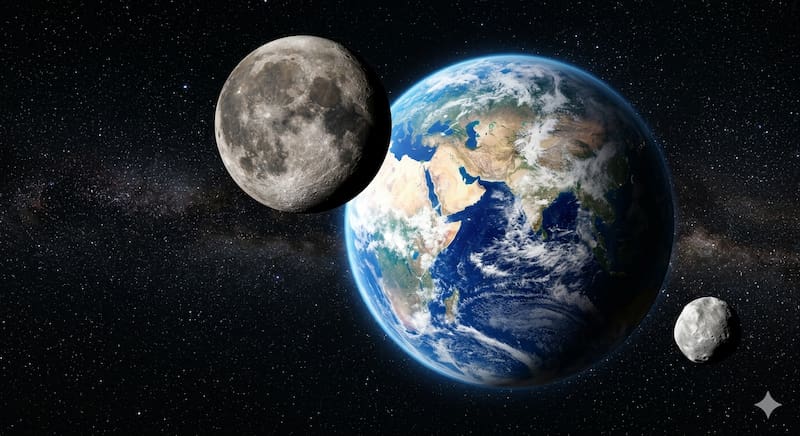
The most striking Blue Moon of the year is coming: Why is it called that? When will it take place?
This term, far from being descriptive, is used to refer to the second full moon that takes place in the same month. The reason is that since each cycle lasts 29.5 days, it is not common to see this moon twice in the same month. However, every so often, the lunar calendar gifts not 12 but 13 full moons.
The Blue Moon will reach its peak during the early hours of May 31, 2026. This event also has an added twist: it will be a “micromoon”, meaning it will coincide with the moment when the moon is farther from Earth than usual, something that could make it appear smaller than normal.
The surprise astronomical phenomenon: Which planets will be visible?
During these days, several planets will also be visible shining in the night sky. According to AccuWeather specialists, at least four planets will be visible during the last weekend of May.
They will be:
- Venus
- Jupiter
- Mars
- Mercury
The easiest to spot would be Venus and Jupiter after sunset, while Mars and Mercury will be better seen near the horizon during certain time windows.