

En esta noticia
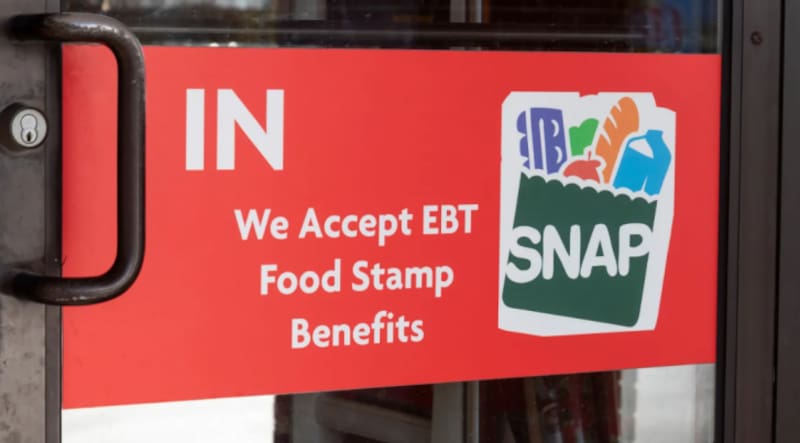
The SNAP program, formerly known as food stamps, assists more than 40 million people in the United States to meet their basic food needs. This benefit is essential for ensuring food security for the most vulnerable citizens.
However, since it is a state-managed program, the rules and timelines can vary significantly, which often creates confusion among beneficiaries. In this context, users must learn about the specifics of their state to avoid problems.

One of the most crucial steps to continue receiving the benefits is recertification, a process that determines whether the beneficiary household still meets the established requirements. Failure to comply with this procedure before the deadline will result in the automatic suspension of payments, which can severely affect the household’s financial situation.
SNAP recertification: key points to keep your benefits
Recertification is a mandatory procedure that must be carried out at the end of each beneficiary’s active or certification period, which can last from one month to three years, depending on the state.
As the expiration date approaches, beneficiaries receive an official notice from their state agency informing them of the need to recertify. During this process, it is verified that the household’s income and circumstances meet the eligibility criteria.
Steps to complete recertification:
Consequences of failing to recertify SNAP on time
SNAP beneficiaries must review their notices and complete the recertification process within the established deadline in order to ensure the continuity of this crucial food assistance.
If recertification is not completed within the stipulated time, payments will be automatically suspended at the end of the certification period. To avoid this situation, beneficiaries must make sure to complete the procedure before the deadline and periodically check the status of their online account.