
En esta noticia
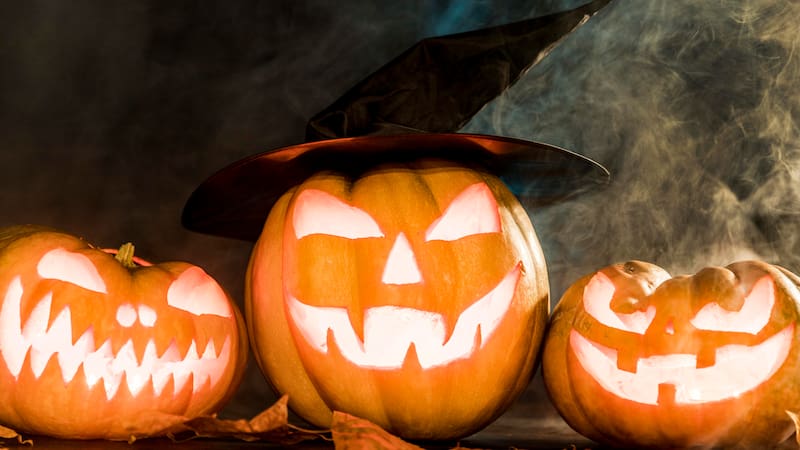
Halloween is just around the corner. Over the years, the celebration has picked up more and more followers, especially among children, who enjoy the playful tradition of dressing up and laughing at fear. But even when adults help promote the holiday, few know the hidden origin of this celebration and what is commemorated every Oct. 31.
Etymologically, Halloween is a term derived from All Hallow’s Eve, which means All Saints’ Eve in English, and in colloquial usage it is often called Witching Night. Behind all this lies a rich history that goes back many centuries.
The South American country that is in Time Out’s top 10 of ‘the coolest neighborhoods in the world’.
The Latin American country projected to have the highest life expectancy in 2100: It is not Mexico or Colombia
What Is Halloween and Where Did It Come From?
Halloween’s origin is a Celtic festival that is more than 3,000 years old, known as Samhain, or the end of summer in Old Irish. The date marked the end of the harvest season and the start of the Celtic New Year, coinciding with the autumn equinox.
Meanwhile, Celtic culture believed that on that night the spirits of the dead became present, a kind of connection between the two worlds. They also used masks to drive away evil spirits, while at the same time holding feasts at gravesites.
Many centuries later, the holiday reached the United States and Canada, specifically in 1840, brought by Irish immigrants who arrived in those countries. However, it was not until 1921 that the first Halloween parade was held in Minnesota.
In Which Other Countries Is Halloween Celebrated?
In addition to the two countries mentioned above, Halloween is also celebrated on Oct. 31 in the United Kingdom. In all of these places, the tradition took hold among children, who dress up and go out for candy in their neighborhoods.
Over time, other countries around the world, including in Latin America, have begun to embrace the date, although with much less enthusiasm than in the places where it first took hold.
Spain also has some similar traditions that honor spirits or the dead, such as the meigas and Galicia’s Santa Compaña.
Profeco recommends: the ideal cooking oil for frying costs 30 pesos and is sold in supermarkets
The South American country with the region’s longest suspension bridge: It is surpassed only by China
In fact, in 18th-century Asturias, children used to ask for food with lanterns in their hands, something similar to Halloween’s famous ‘trick or treat.’