
En esta noticia
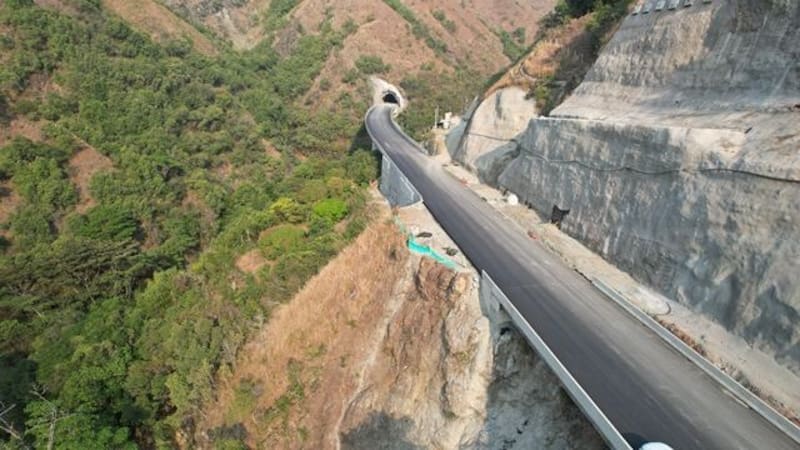
Colombia is about to crown one of the most ambitious infrastructure projects in its history. This is the Toyo Tunnel, a megaproject that, once completed, will become the longest vehicular tunnel in Latin America, with a main tube of nearly 10 kilometers excavated through the mountain range.
The project promises to cut travel times by hours, open a new corridor to the Caribbean Sea, and establish itself as a milestone of Latin American engineering.
They are building the longest tunnel in Latin America
The heart of the project is its main tunnel, officially named the Guillermo Gaviria Echeverri Tunnel, which has a length of 9.84 kilometers (nearly 10 km). That length will make it the longest vehicular tunnel in Latin America, surpassing two other Colombian giants: the La Línea Tunnel (8.58 km) and the Oriente Tunnel (8.2 km).
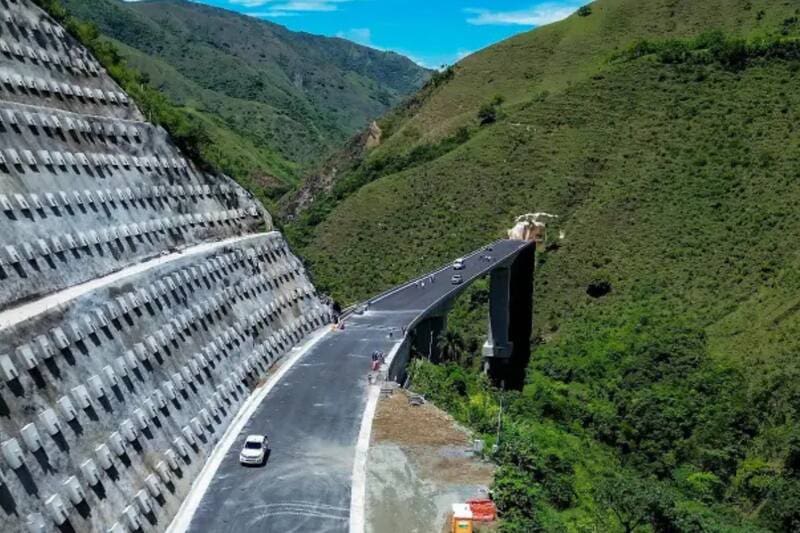
But the main tunnel is only part of a much larger project. The complete road complex of the Toyo Tunnel covers a total length of about 39.5 kilometers, including two main tubes (9.84 and 9.4 kilometers), plus 32 viaducts, around twenty short tunnels, and three road interchanges. Taken together, it is one of the most complex engineering projects in the region.
More than 515 million dollars will be invested in the latest technology
The Toyo Tunnel represents an investment exceeding 2 trillion Colombian pesos (around 515 million dollars at the current exchange rate), and is being jointly driven by the National Government, the Government of Antioquia, and the Medellín Mayor’s Office.
It will reduce travel times by up to three hours
The project crosses part of the Western Mountain Range and seeks to connect the Aburrá Valley (where Medellín is located) with the Urabá region of Antioquia, the area that provides access to the Caribbean Sea.
The trip between Medellín and Urabá, which today can take about seven hours, will be reduced to around four. This will not only benefit travelers, but also open a strategic corridor for freight transport and foreign trade, by bringing the country’s center closer to the ports being built in the Urabá region.