
En esta noticia
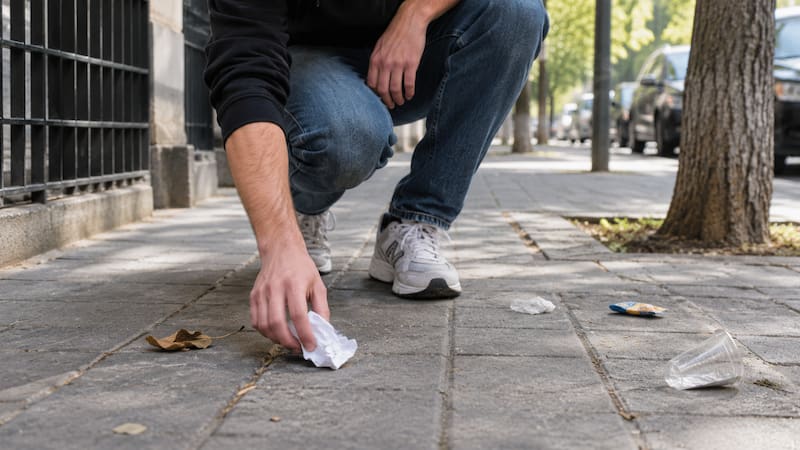
Some people can’t walk past a plastic bottle or a candy wrapper on the ground without picking it up. Many see it as a simple habit of being clean, but psychology suggests there may be more behind it.

A 2025 study published in the journal Sustainable Environment, led by researcher Stephanie Schoeppe, surveyed 547 adults in Australia who pick up trash while walking outdoors. Most of them (80%) did it regularly, at least one to three times a week.
The feeling attached to this behavior is thinking that taking care of shared spaces is not only the job of whoever made the mess.
What does the psychological study say about people who pick up the trash on the street?
When the 547 adults who participated in the study were asked to answer why they started, participants pointed to three main reasons:
- A sense of social responsibility.
- Concern for the environment.
- Inspiration from other people who did the same.
The researchers also found that middle-aged adults, people who wanted to stay physically active, and those who had already taken part in community clean-up events were more likely to pick up trash regularly.
The psychological hypothesis to explain this behavior
The study relies on two well-known theories. One holds that people learn by watching others: seeing someone clean up a park can inspire us to do the same.
The other suggests that people act when they feel a personal moral obligation and believe part of the responsibility is theirs.
A separate study by Sonny Rosenthal and Max S. C. Yu, published in 2022 in the Journal of Environmental Psychology with data from 949 people in Singapore, found that avoiding littering and cleaning up after others are different decisions.
Picking up someone else’s trash was linked to feelings such as the guilt people imagine they would feel if they did nothing, as well as to their connection with the community.
What is plogging, and how does it work?
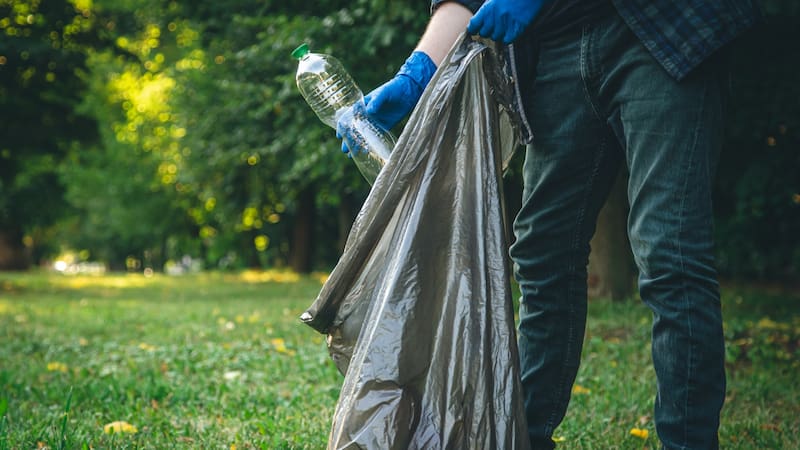
The trend has a name in some countries: plogging, a Swedish idea from 2016 that combines jogging with picking up trash.
Still, experts warn against drawing broad conclusions. The Australian study only surveyed people who already collect trash, most of them women, so it describes their motivations but does not prove that they have a specific type of personality.