En esta noticia
In the United States, the Indiana Code has a title that regulates the way alcohol and tobacco are marketed. It defines everything from permits to the times when this practice is considered a crime.
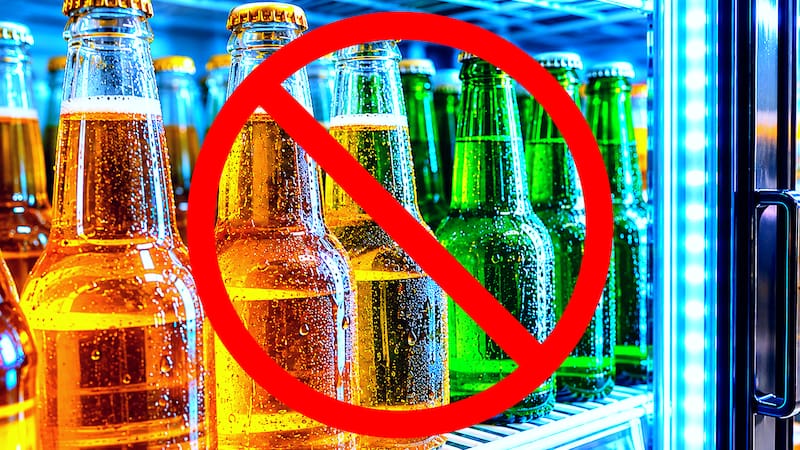
Although it may sound surprising, it is established that selling cold beer is illegal and punishable as a Class B misdemeanor. The argument is that this helps prevent over-marketing of alcohol in establishments with limited permits.

By government’s orders, people who sell cold beer in these stores will be punished one by one: What does Indiana law establish?
According to what is defined in the Indiana Code in Title 7.1 on Alcohol and Tobacco, specifically in Article 5 on Crimes and Infractions, Chapter 10, Section 11: " It is unlawful for the holder of a beer dealer’s permit to offer or display for sale, or to sell, exchange, barter, or give away any bottle, can, container, or package of beer that has been chilled or refrigerated by the permit holder before or at the time of the sale, exchange, or gift".

The Indiana Code establishes this practice as a Class B misdemeanor (Class B Misdemeanor), so it is punishable.
The law targets supermarkets, convenience stores, and other businesses with permits to sell beer. Liquor stores and bars are excluded from this rule.
What are the punishments for those who sell cold beer in Indiana?
A Class B misdemeanor carries the penalties set forth in the Indiana Penal Code. Those who sell cold beer in certain businesses within the state can be punished with up to 180 days in jail or fines of up to 1,000 dollars .

What is the argument behind this law in Indiana?
The law is based on the idea that it protects traditional liquor stores from supermarkets and large chains. For that reason, since the 1960s liquor stores have been authorized to sell cold beer, while other businesses have not.
This is because different types of permits are required depending on the activity carried out by the establishment. While liquor stores are dedicated exclusively to selling alcohol, other businesses simply include it in their inventory, often at a lower price. Therefore, the aim is to prevent it from being ready to drink so they cannot compete.