
En esta noticia
The government of Alaska maintains in force a regulation that is part of the state code on alcoholic beverage control and sets out direct obligations for owners and employees of establishments.
The same regulation creates financial penalties and legal problems for bars, restaurants and other establishments that allow visibly intoxicated people to enter or remain.
By government order, all bars and restaurants will be punished: What does the law establish?
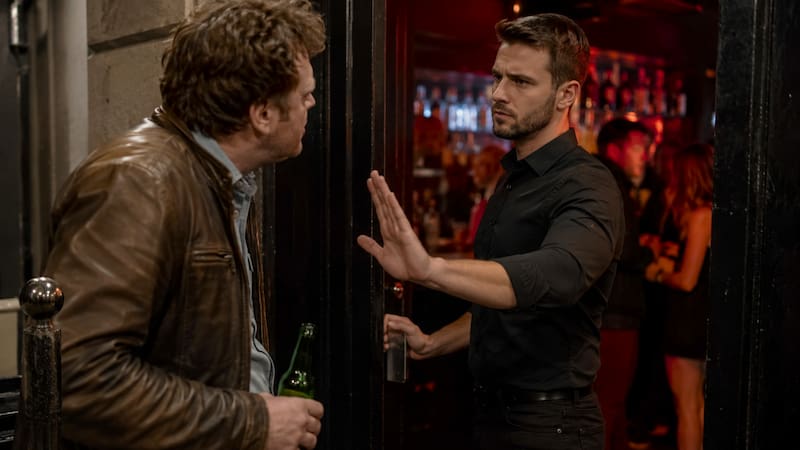
The law establishes that a “drunk person” may not knowingly enter or remain inside a licensed premises that sells alcohol. In addition, the owners, employees, or agents of the establishment are prohibited from allowing an intoxicated person to enter, remain, or continue consuming alcoholic beverages on the premises.
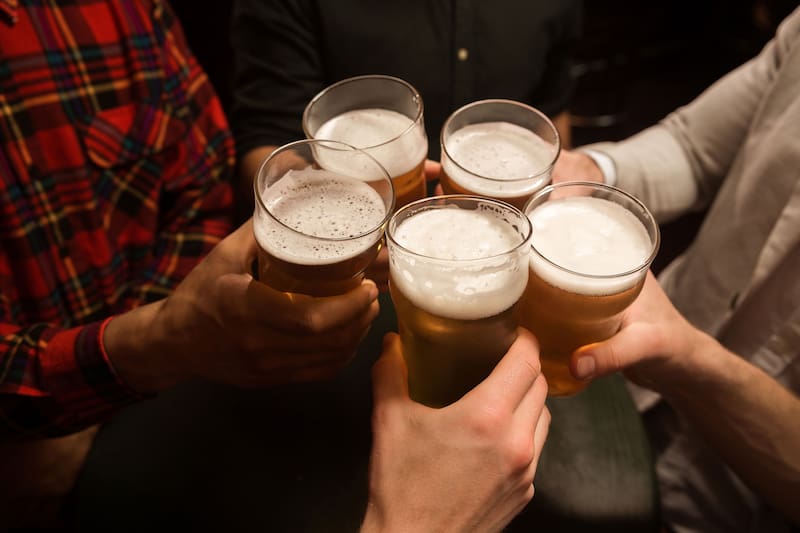
The regulation also prevents a person who is intoxicated from working serving alcohol or handling alcoholic beverages inside the establishment. In some cases, if the person refuses to leave and poses a risk to themselves or to others,the police may intervene and take them into preventive custody.
What penalties can establishments receive?
The state code indicates that the license holder may be held responsible even for actions committed by employees or agents inside the establishment.
Among the penalties are administrative fines of at least 250 dollars for violations related to the control of intoxicated people inside establishments.
In addition, regulatory authorities may initiate proceedings that affect the business’s operating license in repeated or serious cases. The law also opens the door to possible civil liability if an establishment allows a clearly intoxicated person to keep drinking and then cause damage or accidents.
In Alaska, this type of regulation is part of the so-called “Dram Shop Laws,” used to hold alcohol sellers responsible for certain behaviors of intoxicated customers.