
En esta noticia
Traveling abroad requires more than just buying plane tickets and making hotel reservations. To begin with, travelers must, in most cases, have a valid passport or identity document, in the event that international agreements exist.
In addition, you almost always must apply for a visa or travel permit to be allowed entry into the country, in addition to complying with other rules that the corresponding immigration authorities may impose. Find out what those of Spain, Guatemala, and El Salvador are.
What rules must it meet?
In general terms, for a passport to be considered valid, it must meet some requirements, in addition to those that each nation may impose:
- Be in good physical condition:
- No torn or missing pages.
- No unauthorized annotations or signatures.
- No stains or signs of damage.
- Be within its validity period and have up to six months of validity remaining, in some cases.
- Have blank pages for immigration stamps.
It is recommended to check the requirements of each destination before buying tickets and making reservations.
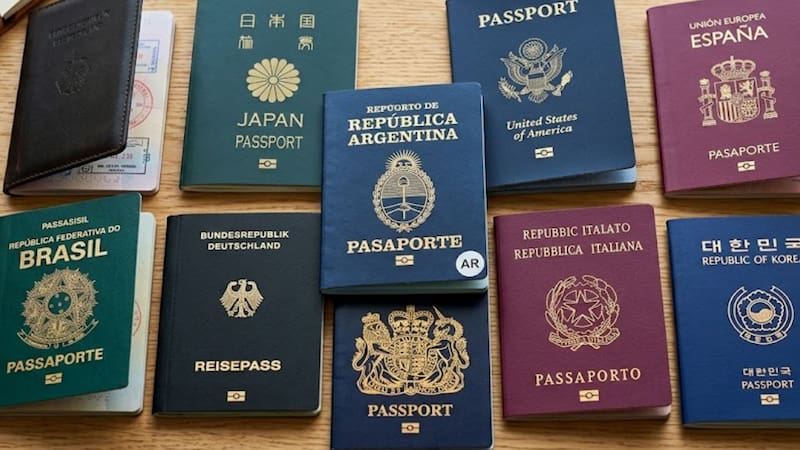
What do Spain, Guatemala, and El Salvador require to enter the country?
To enter Spain, foreigners must meet different conditions depending on nationality, such as the need to apply for a visa. A valid passport or travel document is required and a remaining validity period of three months, proof of financial means to cover the stay, and a return ticket must be presented.
As of January 1, 2026, Spain sets 121.10 euros per person per day as the economic benchmark, with a minimum of 1,098.90 euros per traveler.
In Guatemala, the visa requirement also varies depending on the traveler’s nationality. Therefore, not all foreigners must meet the same requirements. It is recommended to check whether your nationality is exempt from a visa.
Guatemala is part of the CA-4 agreement along with El Salvador, Honduras, and Nicaragua, and they can enter these countries with only the Identity Document.
El Salvador requires a valid passport in good condition, as well as a Salvadoran visa if your nationality requires it. In addition, immigration authorities could ask you to prove that you have the funds to cover the stay and even proof of accommodation.