

En esta noticia
In the context of domestic flights in the United States, airport authorities require all passengers to present a driver’s license, passport, or other valid identification document according to the security criteria established by the Real ID law, which is in force at the federal level throughout the country.
However, the Transportation Security Administration (TSA) confirmed that there is special flexibility for certain travelers. Through its official website, the agency detailed that some expired documents can still be used to pass identity checks at U.S. airports.

Expired passports and licenses: what the TSA says about it
It is important to clarify that this measure applies only to domestic flights within the United States. For international travel, passengers remain required to present a valid passport and comply with the immigration requirements imposed by each country.
According to the TSA, identity documents expired up to two years after the expiration date are currently accepted. The rule includes passports, driver’s licenses, and any other identification that appears on the official list of approved documents for boarding.
List of valid documents for traveling in the United States
- United States passport.
- U.S. passport card.
- Real ID-compliant driver’s license.
- Permanent resident card.
- Passport issued by a foreign government.
- DHS trusted traveler card.
- United States military ID.
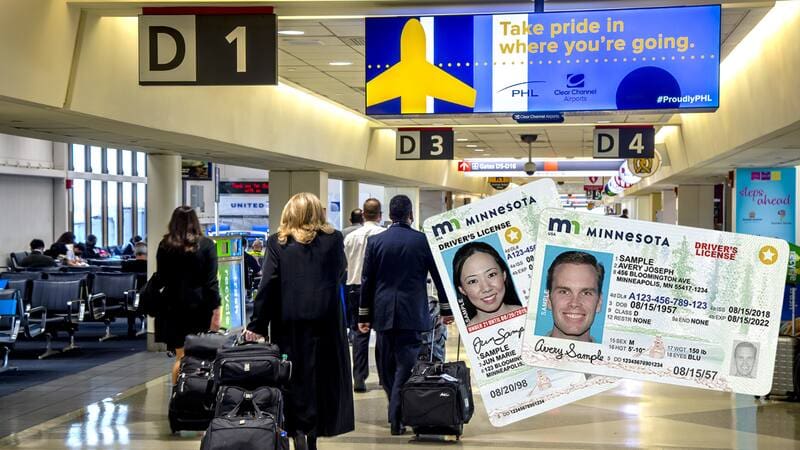
Airport authorities emphasize that documents must be in condition to properly verify the passenger’s identity during security screening.

What it means for a document to comply with Real ID
Documents that comply with the Real ID law meet federal security standards implemented to strengthen identity checks at airports and government buildings in the United States.
Among the main features of these IDs are anti-counterfeiting systems, document validation, and special mechanisms to prevent fraud or identity theft during verification processes.