

En esta noticia
Starting February 1, 2026, passengers who try to fly in the United States without presenting valid identification must pay US$45 to continue the boarding process. The measure, implemented by the Transportation Security Administration (TSA), applies at all airports in the country.
Those who do not have the required document are referred to the TSA ConfirmID system, a federal alternative identity verification platform. The rule is part of the full implementation of the REAL ID law, which took full effect in May 2025. More than 94% of passengers already present acceptable identification.

What documents does the TSA accept at the airport?
The TSA requires presentation of an identification from its official list to enter security screening. The most common document is the REAL ID-compliant driver’s license, identifiable by a star in the upper right corner.
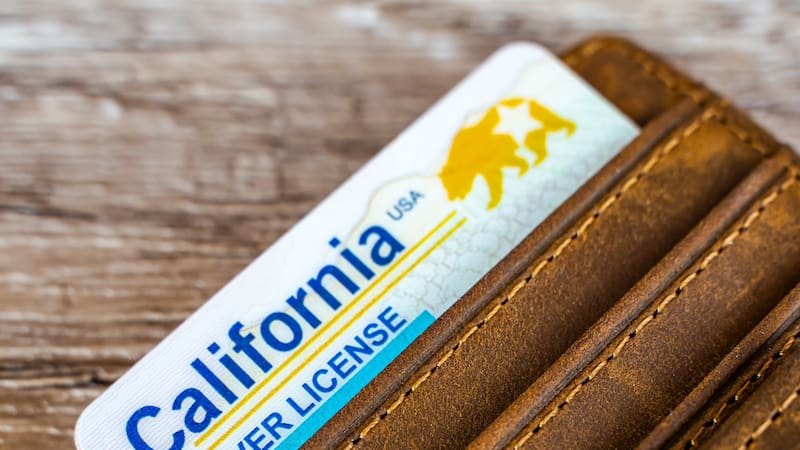
Valid documents for flying in the U.S.
- REAL ID-compliant driver’s license or state ID
- Enhanced Driver’s License (EDL) or state Enhanced ID (EID)
- U.S. passport or passport card
- DHS cards (Global Entry, NEXUS, SENTRI, FAST)
- Permanent resident card (Green Card)
- U.S. Department of Defense ID
- Valid foreign passport
- USCIS Employment Authorization Card (I-766)
- Veterans Health Identification Card (VHIC)
Temporary licenses and state documents that are not REAL ID-compliant do not appear on the list of accepted identifications.

What happens if valid identification is not presented at the airport?
Passengers without acceptable documents are referred to the TSA ConfirmID process before entering the security line. The US$45 payment can be made online before traveling, which the TSA recommends to avoid delays.
Those who pay at the airport can do so at designated points near the security checkpoint, but the agency warns that the process creates significant waits with the risk of missing the flight. The official recommendation is to obtain a REAL ID as soon as possible at the corresponding state DMV.