En esta noticia
A scientific breakthrough could transform the electronic waste recycling industry, enabling the recovery of precious metals in a sustainable way and creating new job opportunities.
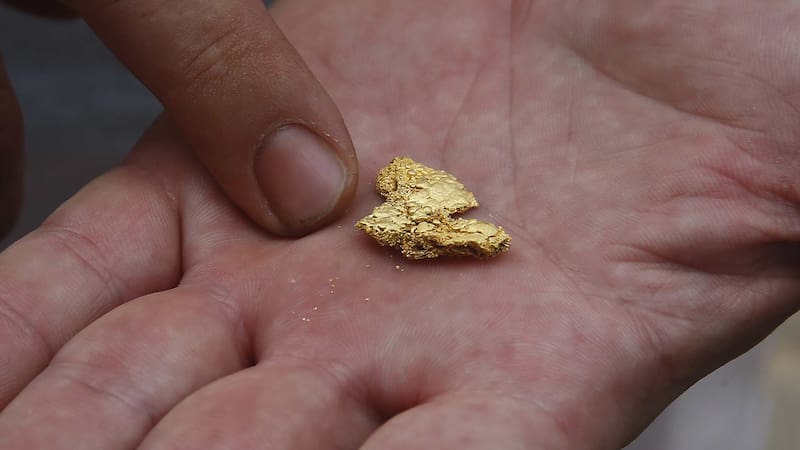
A team of researchers from ETH Zurich (Switzerland) discovered an innovative process that makes it possible to extract 22-karat gold from discarded electronic components.
This finding not only affects the circular economy, but also opens the door to the creation of new jobs in the technology recycling sector.

A new approach to gold recovery
The research suggests that many electronic devices contain small amounts of gold and other valuable metals in their circuits and motherboards. With the method developed by Swiss scientists, these materials can be recovered without resorting to polluting processes, making it an ecological and efficient alternative.

The procedure is based on the use of protein fibril sponges, derived from byproducts of the food industry, which have the ability to capture the gold ions present in metal solutions. Subsequently, through a heat treatment, the recovered gold is transformed into high-purity nuggets.
How does it impact the economy and job creation?
The development of this method not only reduces dependence on traditional mining, but also creates a new specialized industry in metal recovery. This technology is expected to boost demand for professionals in areas such as waste management, applied chemistry, and sustainable development.
To better understand its benefits, here is a summary:
- Reduction of electronic waste: less pollution and greater reuse of valuable materials.
- Efficient gold recovery: an ecological alternative to conventional processes.
- Job creation: creation of new opportunities in the recycling sector.
- Advancement in the circular economy: reduction of mining exploitation and greater use of resources.

Toward a new era in electronic waste management
With this discovery, recycling electronic devices could become a key industry for resource recovery and reducing environmental impact.
The large-scale implementation of this method could redefine the future of technological waste management and offer a viable alternative for the sustainable production of precious metals.