En esta noticia
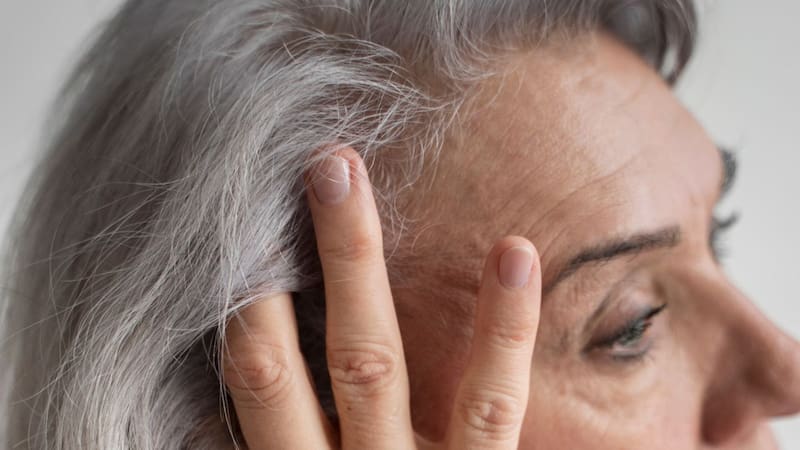
For years, gray hair was often seen as something to hide. Covering silver strands became a routine for millions of people seeking a younger appearance or trying to fit social expectations. However, psychology suggests that choosing not to dye gray hair may have little to do with giving up and much more to do with authenticity.
Experts say that as people grow older, their priorities often begin to shift. Instead of focusing on how others perceive them, many start paying greater attention to experiences, relationships, and activities that feel genuinely meaningful.

Why do some people stop coloring their gray hair?
According to psychological theories of aging, many adults reach a stage in life where time and energy become increasingly valuable resources. As a result, they may become less interested in spending effort on habits that no longer provide personal satisfaction.
For some, this means deciding to stop coloring their hair after years or even decades of doing so.
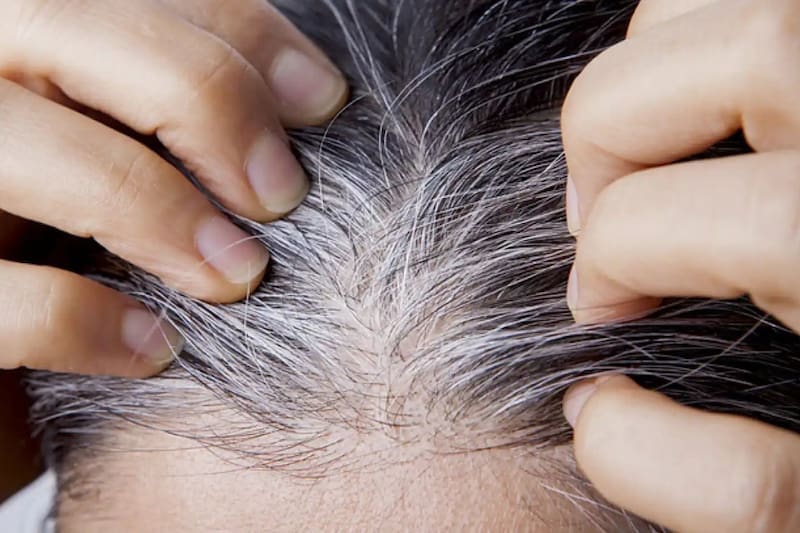
Psychologists note that this choice is not necessarily an act of rebellion against beauty standards. Rather, it can reflect a process of reprioritization in which personal comfort and authenticity begin to outweigh the desire for external approval.
The role of social expectations
The decision to embrace gray hair can still be emotionally challenging.
One explanation comes from Social Comparison Theory, developed by psychologist Leon Festinger. The theory proposes that people naturally compare themselves with others in order to evaluate their own appearance, achievements, and social standing.
Because youth have long been associated with attractiveness and success in many cultures, gray hair can sometimes trigger concerns about aging and social judgment. This may explain why some individuals continue dyeing their hair even if they no longer enjoy the process.
At the same time, those who decide to let their gray hair grow naturally may be signaling something entirely different: that they are becoming less dependent on external validation and more focused on living according to their own preferences.

Gray hair and authenticity
Psychology suggests that embracing gray hair can represent a broader change in mindset.
Instead of chasing societal expectations, many people begin to value authenticity, emotional well-being, and experiences that align with their personal identity. In this stage of life, looking exactly as they did years earlier may become less important than feeling comfortable and genuine.
Far from indicating resignation or a lack of self-care, choosing not to dye gray hair may simply reflect a decision to invest energy where it matters most.
For many adults, silver strands are no longer something to hide. They become a visible expression of self-acceptance and a reminder that aging does not necessarily mean losing confidence—it can also mean gaining freedom from the need for constant approval.