
En esta noticia
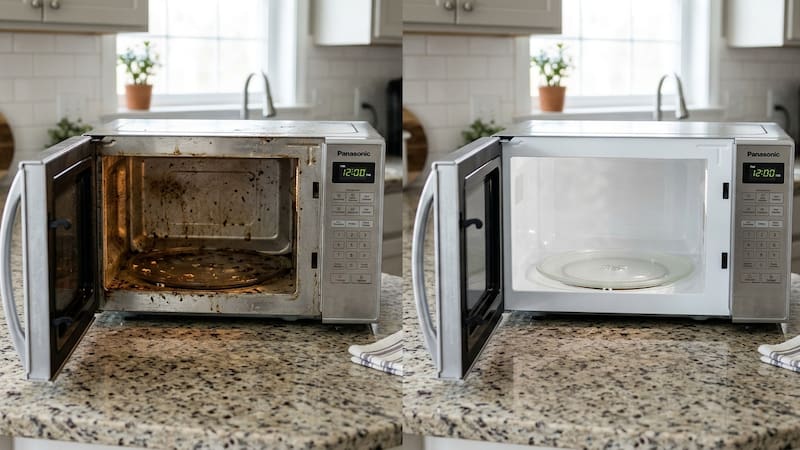
The buildup of grease and splatters inside the microwave is one of the most common problems in everyday kitchen cleaning.
According to recommendations from Cornell University Extension (UT Extension / Cornell Cooperative Extension), the mixture of baking soda and water heated to steam is established as a highly effective homemade method for softening stubborn dirt and removing food residue without requiring invasive scraping.
In addition to its effectiveness, making cleaning products at home reduces the environmental impact associated with transport, industrial production, and the generation of plastic waste.
While buying commercial eco-friendly cleaners represents a more sustainable alternative compared with traditional chemical supplies, homemade preparations offer a quick and accessible solution adapted to household schedules.

Step by step: how to apply the baking soda and water mixture in the microwave
The procedure to clean the inside of the appliance requires few ingredients and takes advantage of the appliance’s own operation to generate cleaning steam:
- Preparing the solution: Mix a few tablespoons of baking soda with water in a microwave-safe container or cup.
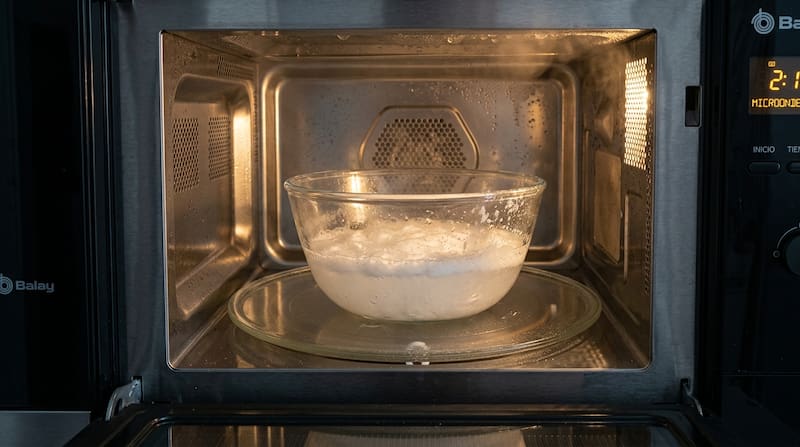
- Heating: Place the cup in the appliance and heat the mixture at maximum power for a few minutes until it comes to a boil.
- Steam action: Let the steam generated thoroughly moisten and soften the inner walls and ceiling of the microwave.
- Surface cleaning: Carefully remove the container and wipe the inside with a soft cloth or paper towel to remove the loosened grease.
- Odor removal: Take advantage of the deodorizing properties of baking soda to neutralize food odors trapped in the cavity.
Environmental and economic advantages of sustainable cleaning
The use of basic supplies such as baking soda promotes sustainable maintenance habits at home, minimizing the use of single-use plastic containers.
Reducing the use of corrosive cleaners preserves air quality in enclosed spaces and prevents the buildup of chemical residues on surfaces intended for food preparation.
This alternative makes it possible to optimize daily cleaning times by reducing the physical effort needed to remove stuck-on dirt.
The combination of heat, moisture, and natural degreasing components offers uniform performance on the inner walls of the appliance, extending the appliance’s useful life and maintaining optimal hygiene conditions.