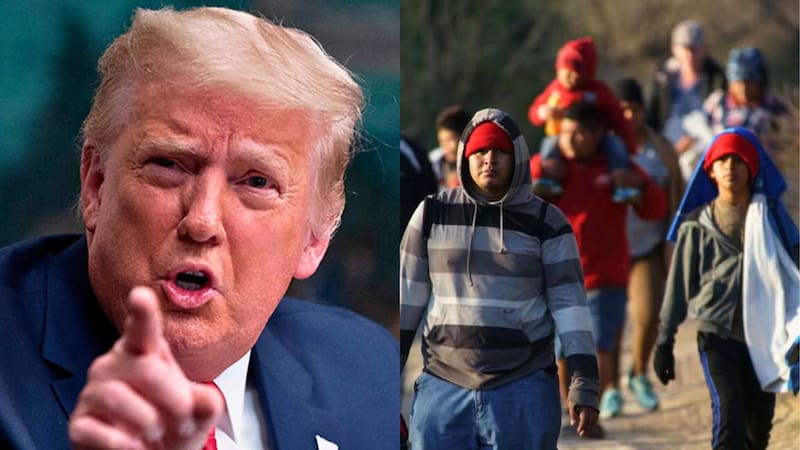
Between 2025 and 2026, the Donald Trump administration moved ahead with ending the Temporary Protected Status (TPS, by its English name) for citizens of different countries.
This protection allows foreigners from countries affected by armed conflicts, natural disasters, or other extraordinary circumstances to reside in the country temporarily and obtain work authorization.
When TPS ends, the person returns to their previous immigration status prior to the protection. Although it does not mean automatic deportation, each case must be considered individually.

TPS has ended: Which foreigners no longer have this protection?
In August 2026, the last to be left out of TPS are Venezuelans, Haitians, Hondurans, Nicaraguans, and Ethiopians. However, the Department of Homeland Security (DHS, by its English acronym) also announced terminations for countries such as:
- Afghanistan
- Burma/Myanmar
- Cameroon
- Nepal
- South Sudan
- Syria
The measure affects at least more than half a million people, who are now exposed to deportation to their country of origin.
Why did the United States decide to restrict TPS?
According to the Donald Trump administration, TPS serves the function of acting as temporary protection, and when DHS decides that the circumstances that justified the designation no longer meet the necessary requirements, it must be terminated.

All of these foreigners could be deported: What legal avenues can they take?
When TPS no longer protects an immigrant, it does not mean they will automatically be deported. Depending on each case, the beneficiary could apply for asylum, seek permanent residency, or maintain their previous immigration status.