
En esta noticia
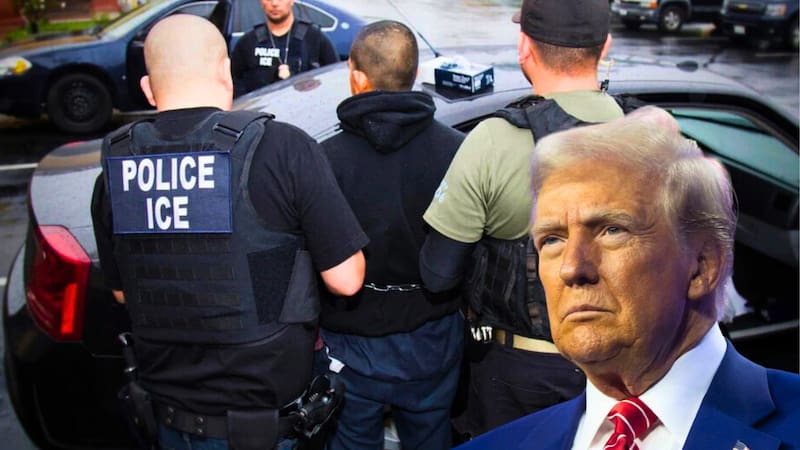
The Donald Trump administration implemented a zero-tolerance policy in the U.S. immigration system. His administration focused on tightening legal pathways for entering the country, as well as the conditions for staying, in addition to launching a mass deportation plan.
Recently, the U.S. Citizenship and Immigration Service (USCIS) warned that all immigrants who engage in certain practices during immigration appointments may be arrested immediately and face deportation without delay.

Attention immigrants: those who commit this offense at immigration appointments are detained and deported.
In the United States, immigration fraud is considered one of the most serious offenses under immigration law. When the authorities refer to this concept, they mean any act of falsification, deception, or distortion of information for the purpose of obtaining immigration benefits to which the person would not be entitled.

This phenomenon can be detected in immigration appointments before USCIS, CBP, or ICE. Penalties vary depending on the severity of the case, but are generally severe. These include:
- Immediate denial of the requested benefit (Green Card, visa, naturalization, asylum, etc.).
- Permanent inadmissibility: the individual may be designated as “inadmissible” for any future immigration benefit.
- Revocation of status if permanent residence or a visa was obtained through fraud.
- Removal proceedings (deportation proceedings), with the possibility of being expelled from the country.
- Federal criminal charges, which may include fines amounting to thousands of dollars and, in extreme cases, prison sentences.

How is immigration fraud identified in the United States?
Immigration authorities have various control mechanisms to identify immigration fraud. Monitoring is strict because the law states that manipulating the system -whether through falsified documents, sham marriages, or fraudulent statements- compromises the integrity of the process. The mechanisms include:
- Document reviews and cross-checking
- Interviews and questioning
- Site visits and field investigations
- Analysis of suspicious or unusual patterns
- Interagency cooperation
- Confessions, tips, and whistleblower reports