
En esta noticia
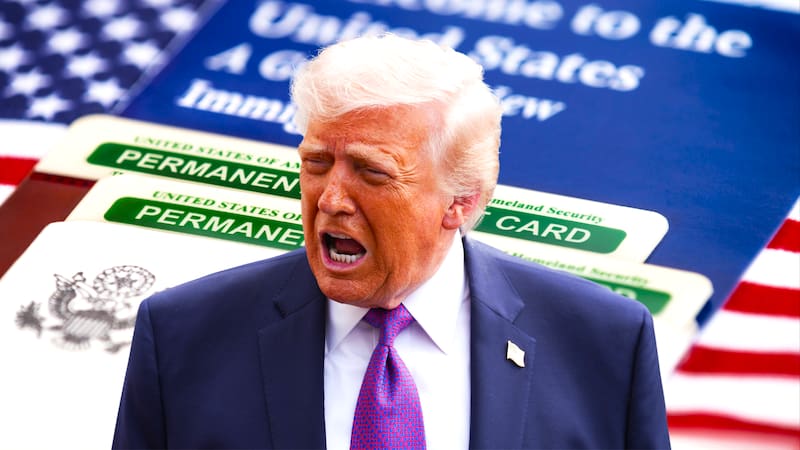
The United States Citizenship and Immigration Services (USCIS) has eliminated access to the Green Card from within the country for most immigrants in temporary status. As of May 22, 2026, those who wish to obtain permanent residency must apply from their country of origin through the State Department, except in extraordinary circumstances.
The measure affects students, temporary workers, and tourists, among others. According to spokesperson Zach Kahler, staying on U.S. soil cannot serve as the first step toward permanent residency. The directive takes effect immediately and officials must assess it on a case-by-case basis.

Who cannot apply for a Green Card within the United States?
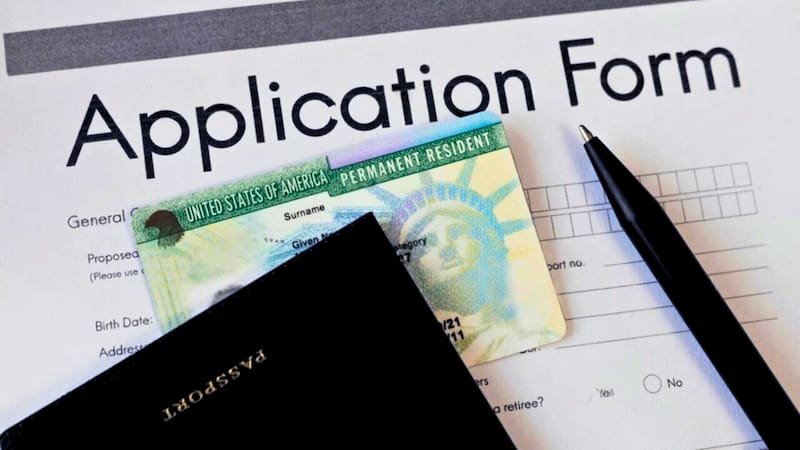
The new policy restricts adjustment of status —the mechanism that allows people to obtain a Green Card without leaving the country— to truly exceptional situations. USCIS states that the usual channel is consular processing abroad.
Categories affected
- Students with F-1 or M-1 visas, whose stay is academic and temporary
- Temporary workers with H, L, or O visas, tied to specific employers and periods
- Tourists with B-1/B-2 visas, authorized only for short stays
- Any person in nonimmigrant status who cannot demonstrate extraordinary circumstances
What consequences does this measure have for those seeking residency?
Those who wish to obtain the Green Card will have to leave the United States and begin the process from their country of origin. That means longer waiting times, additional costs, and a possible interruption of work, academic, or family life in the country.
USCIS argues that concentrating these procedures in the State Department frees up resources for other priorities: visas for crime victims, naturalization applications, and cases under its direct purview. For any specific immigration situation, it is recommended to consult a specialized immigration attorney.