En esta noticia
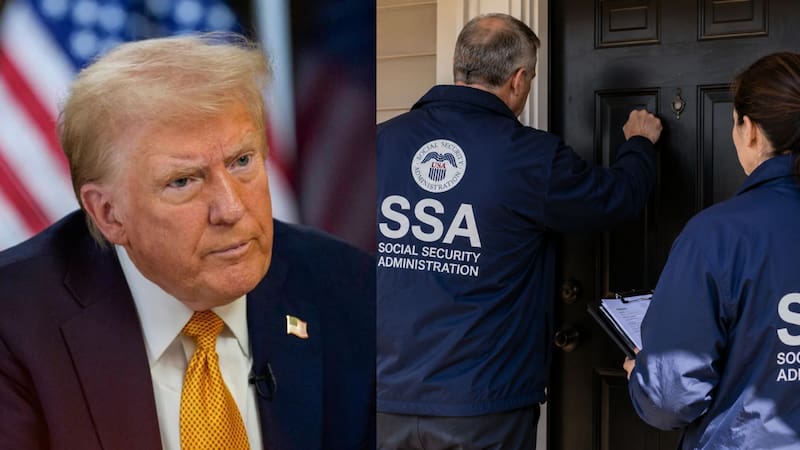
The Social Security Administration (SSA) confirmed that it may send agents door to door to investigate retirees and pensioners in specific situations, when it detects inconsistencies or needs to verify data linked to their benefits. This is not the usual method, but it is part of the agency’s official oversight.
The United States government, through the SSA, applies this type of oversight to those who receive payments when questions arise about the information reported. Home visits are specific interventions, not mass inspections, and they focus on programs with requirements that must be validated periodically.
In what cases does the SSA send agents door to door to retirees and pensioners?
The SSA normally communicates with beneficiaries by mail or phone. However, in specific cases it may send a representative to the home, especially when eligibility reviews are open or information does not match the record.
These checks are more frequent in programs such as SSI (Supplemental Security Income) and disability payments (SSDI), where eligibility depends on conditions that are reviewed regularly. Visits are usually triggered by these reasons:
- Verification of personal or residency data
- Review of eligibility for benefits
- Detection of inconsistencies or possible fraud
- Audits or administrative controls
The retirees and pensioners who may receive a visit from the U.S. government
The visits focus on beneficiaries subject to strict checks, where the SSA must periodically confirm that the person continues to meet the income, resource, and place of residence requirements. Failing to report a required change is one of the main triggers for a direct review.
Changes that must be reported to the agency
The SSA requires notifying any relevant change in order to keep the benefit active:
- Change of address
- Starting or ending a job
- Improvement or change in medical condition
- Changes in income or resources
How to confirm that the agent is official
To prevent possible fraud, the agency sets clear guidelines before allowing any interaction. A legitimate representative must show valid identification, explain the reason for the visit, and be assigned by a local SSA office.