
En esta noticia
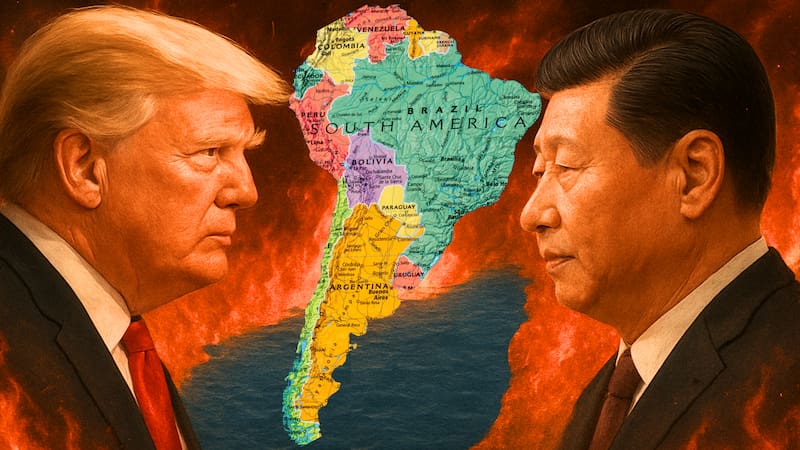
In the context of a global economic tension, a Latin American country has emerged as the unexpected protagonist of a rivalry that has stopped focusing on resources such as gold or lithium.
The confrontation is now centered on an essential resource for global food and industry, which has created divisions between the United States and China.
Meanwhile, U.S. farmers are experiencing losses because of tariffs and declining exports, and in September 2025, Beijing established a new ally in the region.

What is the key resource that pits this Latin American nation against the United States and China?
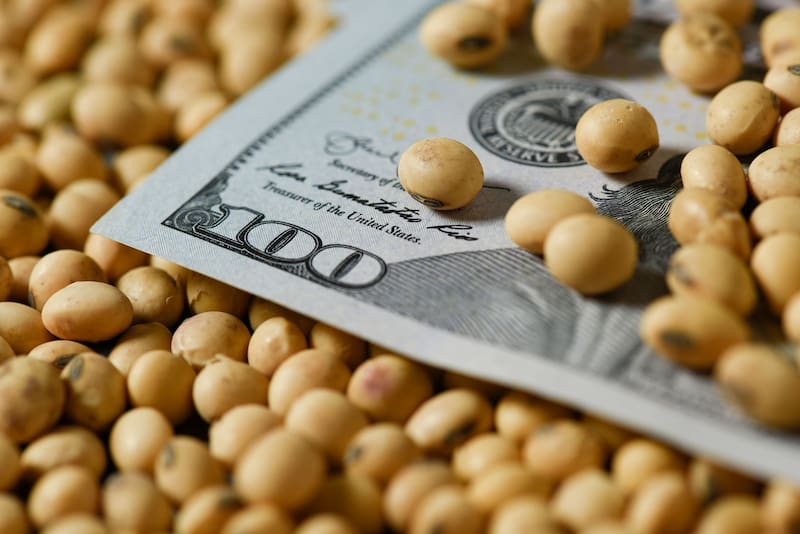
The new point of friction between the powers is soybeans, an input that has come to symbolize the global trade war.
After the tariff policies implemented by Donald Trump, China stopped buying U.S. soybeans and formalized a historic agreement with Argentina to acquire 7 million tons in September 2025.
The Argentine government, led by Javier Milei, temporarily suspended export taxes to facilitate sales.
Almost simultaneously, last year, the U.S. Treasury Department announced a $20 billion swap with Argentina’s central bank, a move interpreted as political and economic support for the South American country.
How has this resource transformed Latin America into the new arena of confrontation between the United States and China?
The agreement has sparked significant criticism in Washington. The American Soybean Association warned that the White House’s decisions are “favoring a competitor” and called for prioritizing local producers.
Democratic lawmakers and Bernie Sanders also once urged that the financial bailout intended for Argentina be canceled.
The case illustrates how a simple crop has become a geopolitical tool. Latin America, and Argentina specifically, is once again playing a crucial role in the trade and strategic dispute between the United States and China.

What changed since then?
The truce between the United States and China, sealed at the Trump-Xi summit in October 2025, reactivated Chinese purchases of U.S. soybeans —12 million tons that season and a minimum of 25 million annually for three years— a commitment that China fulfilled in early 2026.
With that settled, demand did not return to Argentina but to Brazil, which offers more competitive prices and projects a record harvest, closing the exceptional window the country had taken advantage of in 2025.
The Trump-Xi summit in May 2026 deepened the shift: China committed to buy at least US$17 billion annually in U.S. agricultural products between 2026 and 2028 and reopened its market to U.S. beef and poultry.