En esta noticia
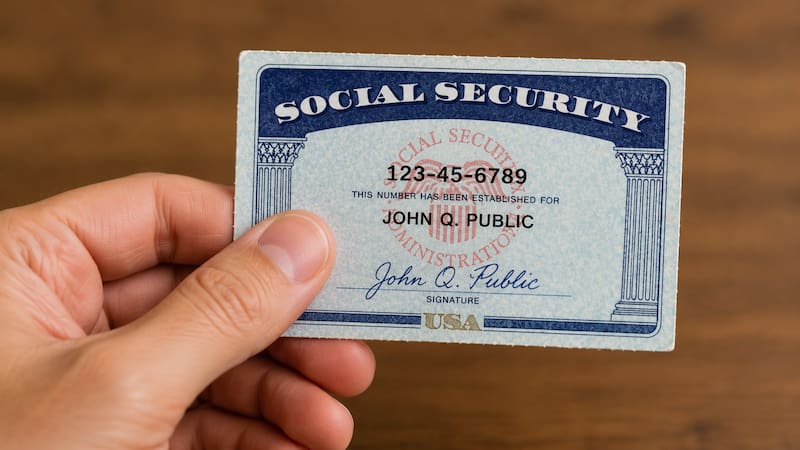
The Social Security Number (SSN) is one of the most sensitive pieces of personal data in the United States, since it can be used for employment, financial, and tax matters.
If a person discovers that their number was stolen or used without their authorization, acting quickly can help limit the consequences and prevent new fraudulent transactions.
The Social Security Administration (SSA) indicates that in these situations, the report should not be made to them, but rather to the Federal Trade Commission (FTC).
How do you report Social Security Number theft?
If a person believes that their Social Security Number was stolen and their identity compromised, they must file a report with the FTC. The process begins at IdentifyTheft.gov by following these steps:
- Report what happened: the site asks for details about the misuse of personal information and the accounts that may be compromised.
- Obtain an FTC Identity Theft Report: When the report is completed, the FTC generates a report that serves to prove to companies and financial institutions that the person was a victim of identity theft.
- Follow the recovery plan: IdentityTheft.gov creates specific instructions according to the type of fraud reported.
- Contact the affected companies: if fraudulent accounts or transactions were detected, the FTC recommends contacting their fraud departments to request the corresponding freeze or closure.
- Review credit reports: accounts, loans, or transactions that the person does not recognize should be identified.
If there are signs that another person is using the SSN to work, IdentityTheft.gov recommends reviewing the work history through a my Social Security account and contacting the SSA if unknown earnings or jobs appear.
What security measures should be taken to prevent identity theft?
The FTC recommends combining periodic account monitoring with tools that make it harder for third parties to gain access to sensitive information.
Among the main measures are:
- Freeze credit: A credit freeze limits access to the credit report and can prevent a criminal from opening new accounts.
- Activate a fraud alert: requires lenders to verify identity before granting new credit.
- Review credit reports regularly: this makes it possible to detect accounts, inquiries, or debts that have not been authorized.
- Change compromised passwords and PINs: if an account was affected, access credentials should be changed, and the same password should not be reused across different services.
- Do not provide the SSN in response to unexpected contacts: the FTC warns that scammers may pose as the SSA and even spoof caller ID.
- Keep documentation of any fraud: saving reports, letters, and records of communications can later make it easier to remove fraudulent accounts or debts from the credit history.