En esta noticia
Cleaning windows with vinegar has become a popular household trick because this inexpensive ingredient can help remove some of the residue that builds up on glass.
The reason is simple: white vinegar contains acetic acid, which can help loosen mineral deposits, dried water marks, grease and other residues, making them easier to wipe away.

How to use vinegar on windows
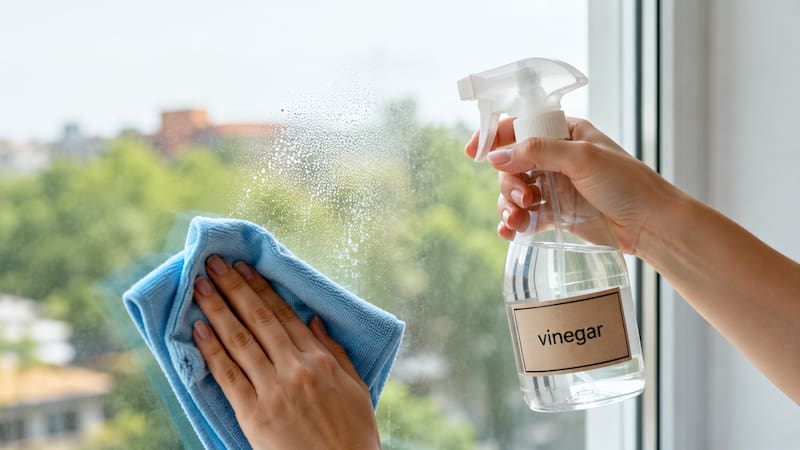
A simple homemade solution can be prepared by mixing equal parts white vinegar and water in a spray bottle.
First, remove dust and loose dirt from the glass. Then lightly spray the mixture onto the surface and wipe it with a clean microfiber cloth. Finally, use a dry cloth to remove any remaining moisture and prevent streaks.
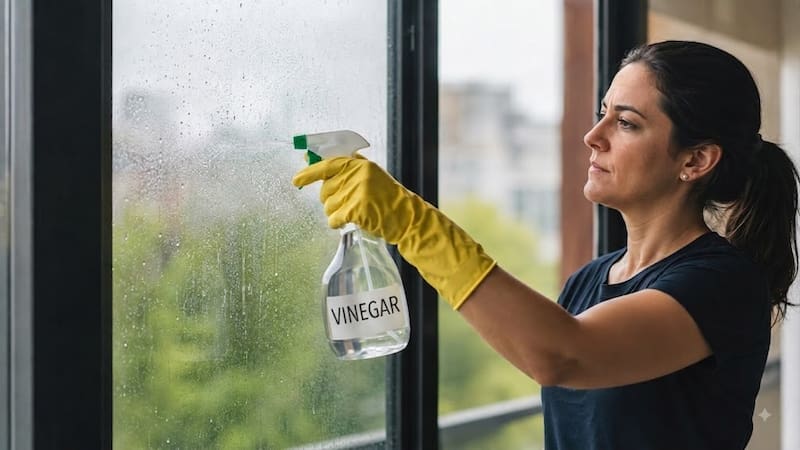
For large windows or glass doors, it is better to work in small sections so the solution does not dry before it can be wiped away.
Why is vinegar recommended?
One of the main advantages is that vinegar is inexpensive and readily available. It can be particularly useful for windows affected by hard-water deposits, fingerprints and everyday grime.
However, vinegar is not a miracle cleaner and may not remove every type of stain. It should also be kept away from surfaces that can be damaged by acidic products, and it should never be mixed with bleach or other incompatible cleaning chemicals.
For the best results, clean windows when they are not exposed to direct sunlight and always dry the glass thoroughly afterward.