
En esta noticia
Astronomy enthusiasts confirmed that it is getting closer and closer to the solar eclipse longest of the century. This phenomenon will turn day into total night and will not happen again for another 157 years.
According to EFE, Spain is one of the countries that will be able to enjoy this event the most, mainly from two specific points. Euskadi, and especially Alava, are emerging as the best places to observe this total solar eclipse, which will not happen again in the region until the year 2183.
The visibility band of this episode will be very limited and can be fully enjoyed in Iceland, Greenland and the Iberian Peninsula.

All the details of the longest solar eclipse of the century
The phenomenon will reach its peak when the Moon completely covers the Sun, generating a momentary darkness that will allow stars and even some planets to be observed. During that interval, characteristic effects of these events can also be seen.
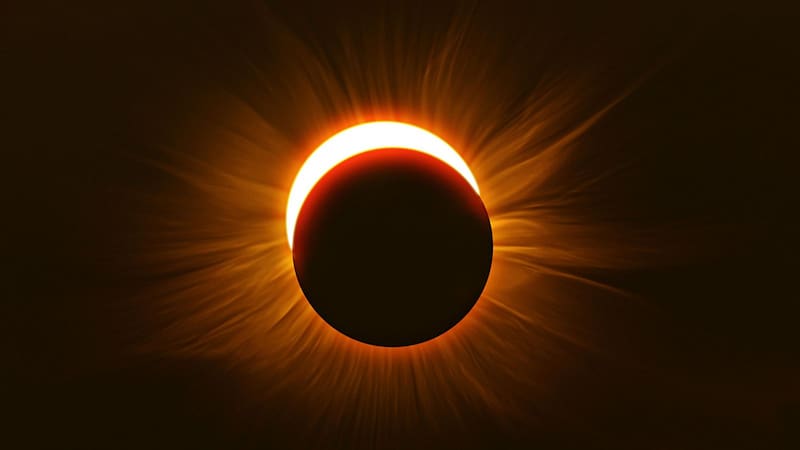
Among them are the “Baily’s Beads”, flashes of light that occur when the sun’s rays pass through the contours of the lunar surface. Then the so-called “diamond ring” forms, an intense glow that marks the beginning or end of totality.
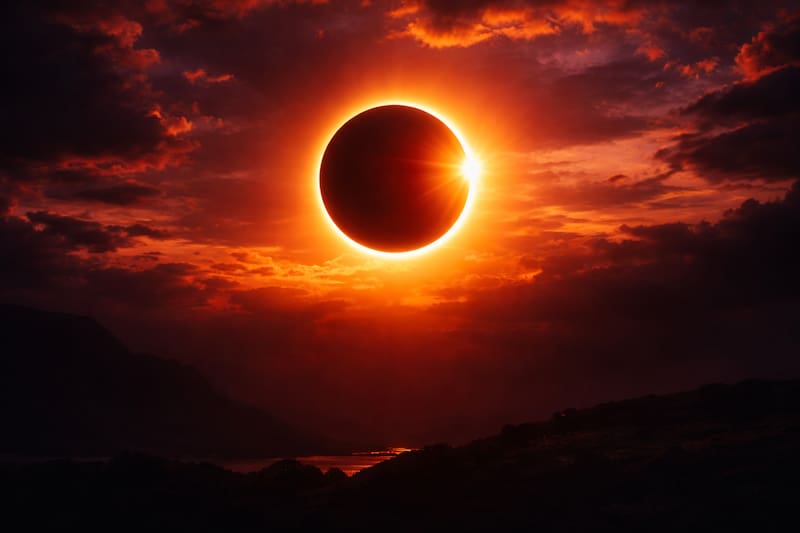
The total visibility band will be limited and will mainly cover regions such as Greenland, Iceland and part of the Iberian Peninsula, while other areas will see it partially.
When will the longest eclipse of the century happen
The event will take place on August 2, 2027 and will reach a maximum duration of approximately 6 minutes and 23 seconds. This length makes it the longest total eclipse of the 21st century.
It will be observable in North Africa, the Middle East and some regions of southern Europe. The exact duration will depend on the geographic point from which it is observed.

How to safely view the eclipse
To observe the eclipse, it is necessary to use proper eye protection during all of its partial phases. Only during totality will it be possible to look directly without risk, when the Sun is completely covered.
The use of approved glasses is essential to avoid damage to the eyes. Even brief exposure without protection can cause eye injuries.
Although this phenomenon will be one of the most significant of the century, in the following years other astronomical events will also be recorded, such as a partial eclipse expected in January 2028.