En esta noticia
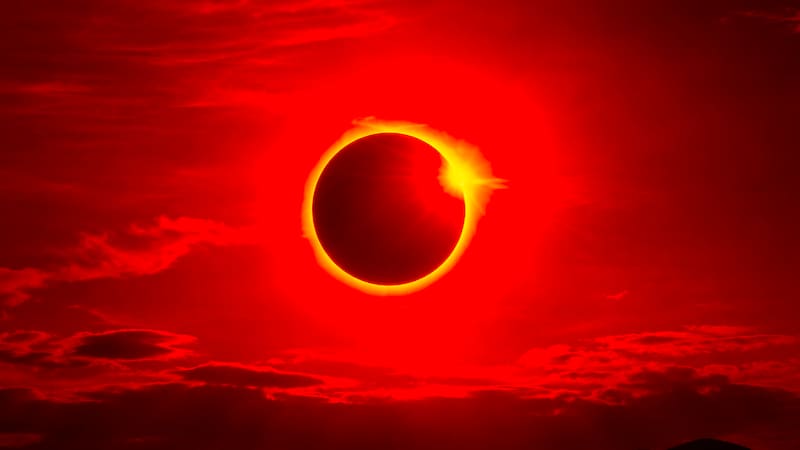
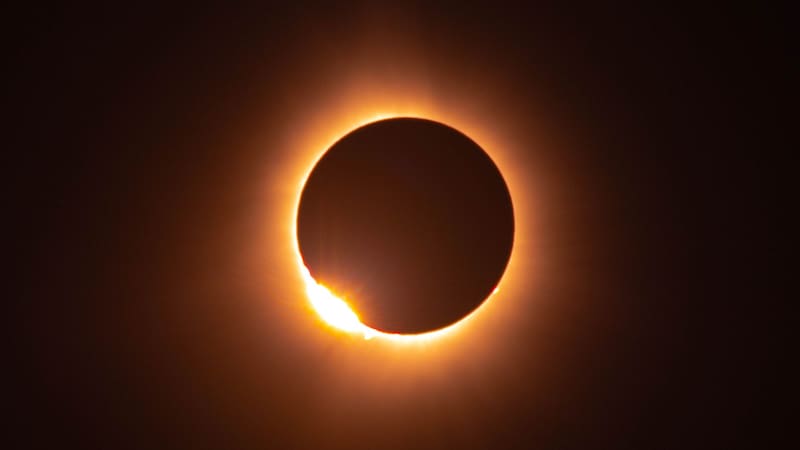
The longest solar eclipse of the century is approaching and it will not be seen again because it will take more than 100 years to repeat. It can be observed from different points around the world, with different levels of visibility depending on the city.
In the United States, unfortunately, it will not be visible in its total phase. This is because it will begin over the eastern Atlantic Ocean and move toward the Middle East. It will be on August 2, 2027.
The longest solar eclipse of the century is coming: From which cities can this event be seen?
The path of the eclipse will begin over the eastern Atlantic Ocean and will move toward the Middle East and North Africa through the Strait of Gibraltar between Spain and Morocco.
It can also be fully appreciated in Central Asia and the islands in the Indian Ocean. The following cities are the best for viewing the eclipse:
- Cádiz and Málaga, in southern Spain.
- Gibraltar
- Tangier, Morocco
- Oran, Algeria
- Sfax, Tunisia
- Benghazi, Libya
- Luxor, in central Egypt
- Jeddah and Mecca, in southwestern Saudi Arabia
- Sana’a, in western Yemen
- The tip of the Horn of Africa, in the far northeastern end of Somalia
- Islands in the British Indian Ocean Territory
How long will the longest eclipse of the century last?
The maximum duration of this eclipse will be visible from Egypt and will be 6 minutes and 22 seconds. At the same time, the event can be seen partially in the easternmost part of Maine, United States, some provinces of Canada, southern Greenland, Iceland, Ireland, and Great Britain. The time may vary depending on the location from which the event is viewed.
the
When will the eclipse be seen again?
This event will repeat on June 3, 2114. In the meantime, several partial solar eclipses can be enjoyed. To enjoy this type of phenomenon safely, it is necessary to do so with certified glasses at all stages of the eclipse. This is because the sun’s rays can cause vision damage that is difficult to treat.