
En esta noticia
When stress begins to build up, two recommendations often come up: get more sleep or exercise regularly. Both can play an important role in managing stress, but they do not necessarily have the same priority in every situation. Experts say understanding what the body needs at a particular moment can make it easier to choose where to focus.
Sleep and physical activity affect stress in different ways. While sleep gives the body and brain time to recover, exercise can help release physical tension and support a better mood.

Why Sleep May Need to Come First
Sleep is one of the body’s most important recovery processes. During the night, the body works to restore energy and regulate several systems involved in physical and emotional health.
One of the hormones involved in the stress response is cortisol. Poor sleep can interfere with the body’s normal regulation of this hormone and may make it harder to cope with everyday challenges.
A lack of sleep can also affect mood, concentration and emotional regulation. As a result, situations that might normally seem manageable can feel significantly more stressful after several nights of insufficient rest.
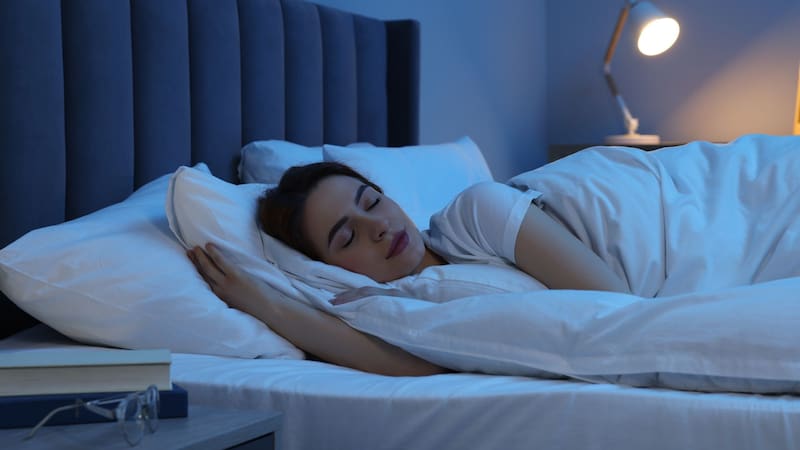
For someone who is consistently sleeping too little, adding demanding workouts may not be the best first step. Establishing a healthier sleep routine should generally take priority.
Keeping a consistent bedtime and wake-up schedule, getting natural light in the morning and limiting stimulants later in the day are some strategies that can support better sleep habits.
How Exercise Can Help Reduce Stress
Physical activity works differently. Walking, cycling, swimming, running or even doing a short workout can provide an outlet for some of the physical tension associated with stress.
Exercise is also associated with improvements in mood and can provide a mental break from daily worries. Even moderate activity can be beneficial, meaning people do not necessarily need intense workouts to experience its potential effects.
Regular physical activity may also help the body become more resilient when dealing with stressful situations over time.
For someone who is not physically active, starting with a daily walk or a short exercise session can be a practical way to introduce more movement without immediately committing to strenuous training.

So, Which One Should You Prioritize?
The answer largely depends on a person’s current habits.
If someone is consistently not getting enough sleep, improving rest should come first. Chronic sleep deprivation can affect emotional regulation and leave the body less prepared to deal with stress.
On the other hand, if someone already gets adequate sleep but spends most of the day sitting and rarely exercises, adding regular movement may be one of the most useful changes they can make.
The two habits should not necessarily be viewed as competing choices. They can actually complement one another. Better sleep can make it easier to stay physically active, while regular exercise may contribute to better sleep quality.
The Best Approach May Be Combining Both
Managing stress over the long term is rarely about choosing only sleep or exercise. The two habits serve different purposes and can work together as part of a healthier routine.
A simple way to think about it is this: if you are seriously lacking sleep, focus on restoring your rest first. If your sleep is already adequate but you are not moving enough, increasing physical activity may be the next step.
For persistent sleep problems, severe stress or difficulty starting an exercise routine, consulting a healthcare professional can help determine the most appropriate approach.