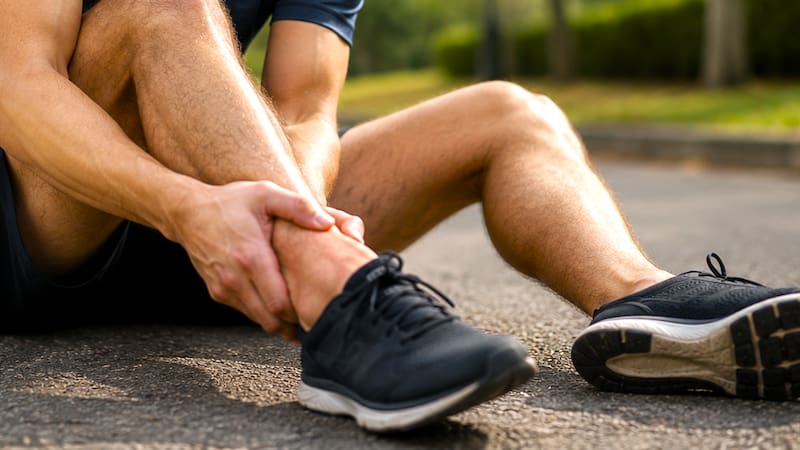
Suffering a sprain, particularly when you are carrying out everyday activities like going shopping or heading to work, can be somewhat annoying. When it happens, the first option is usually applying cold to reduce inflammation, but this is discouraged by many.
Among other options are taking anti-inflammatory drugs, compression with bandaging, or elevating the injured limb, each with the same goals: preventing the area from swelling too much.
What do the specialists say?
When a sprain occurs, what happens is that the joint goes beyond the physiological range of motion considered normal, so it bends inward. There are three levels of this injury:
- Mild grade - microtears in the ligaments.
- Moderate grade - partial tear of the ligaments.
- Severe grade - total tear of the ligaments.
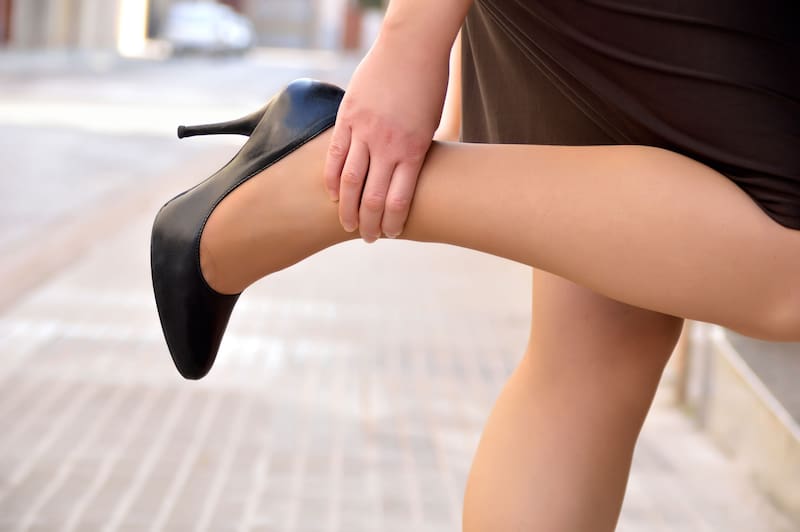
When it happens, the first symptom, besides pain, will be noticing swelling over the ligaments that are affected. The main measures fall under the acronym ICE:
I: ice - cold.
C: compression - compression with bandaging.
E: elevation - elevation of the injured limb.
Cold
In this option, ice plays the role of relieving pain and reducing inflammation, but its use can be counterproductive if the following is not taken into account.
Applying cold reduces blood flow only between about 5 and 10% two centimeters below the skin in the first 10 minutes of application. For it to be more effective, it should be applied for longer, something that will hinder the progression of the inflammatory process that is necessary for the tissue to heal properly.
Compression
Compression with bandaging helps control inflammation, reduce edema, and provide stability to the joint during the first days of the sprain.
The main recommendation is that the bandage be firm but not cut off circulation. If tingling, numbness, more pain, or color change appears, the bandage must be loosened.
Elevation
To use elevation, the injured area should be kept 30 centimeters above heart level during the first 48 hours.
This promotes venous return and helps reduce both edema and inflammation.
How long does it usually take? Should you rest?
Recovery time varies depending on the severity of the injury. The mildest cases can take three days to recover, while in cases where there is a partial tear, it can range from one week to six months. Finally, those who experience a total tear may need surgery, and recovery could take up to a year.
As for rest, it is not recommended in its absolute form for a long time. It is advisable to reduce activity immediately after being injured to keep pain and inflammation under control.