En esta noticia
The next time change in the United States will arrive one day earlier than in 2025: on Sunday, November 1, 2026, daylight saving time ends and clocks must be set back one hour. The measure affects most states in the country, except Arizona and Hawaii, which do not observe the seasonal adjustment.
The change is established by the federal Uniform Time Act, which sets the end of daylight saving time for the first Sunday in November each year. Since in 2025 that date fell on November 2, this year the adjustment is moved up on the calendar to the 1st.

What exactly changes with the end of daylight saving time?
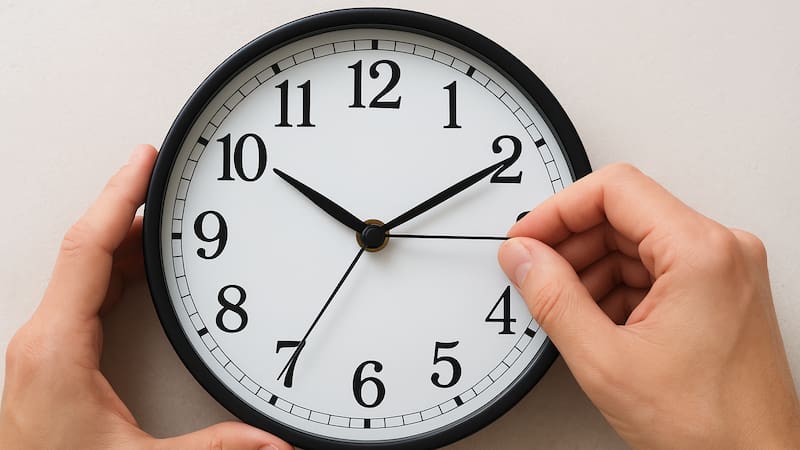
At 2:00 a.m. on Sunday, November 1, clocks must be set back to 1:00. In practice, that means one more hour of sleep that night and an immediate change in available daylight.

From that date on, sunrise and sunset will come one hour earlier than the previous day. There will be more light in the morning and it will get dark earlier, a pattern that continues until the following spring.
How does this adjustment affect daily routine?
The main impact is the reduction in natural light in the afternoons, which forces outdoor activities, commutes, and family routines to be moved earlier before sunset. For those who travel, drive at night, or work fixed schedules, the sudden change in daylight usually takes a few days to adjust to.

Those who do not manually adjust clocks, appliances, or systems that do not sync automatically may end up with times that are one hour off. Most cell phones and computers update the time automatically, but wall clocks, cars, and some appliances usually require manual adjustment.