En esta noticia
The New York Department of Motor Vehicles (DMV) requires maintaining up-to-date insurance coverage in order to drive. If someone drives on the streets of this state without it, the agency may revoke their license and suspend the registration.
When the so-called “insurance lapse,” comes into play, that is, when a vehicle is left without the mandatory liability insurance, the DMV receives the information directly from the insurance companies.

Why can’t insurance be allowed to expire?
When a vehicle’s insurance expires or is canceled, the DMV may suspend:
- The vehicle registration
- The plates
- The driver’s license
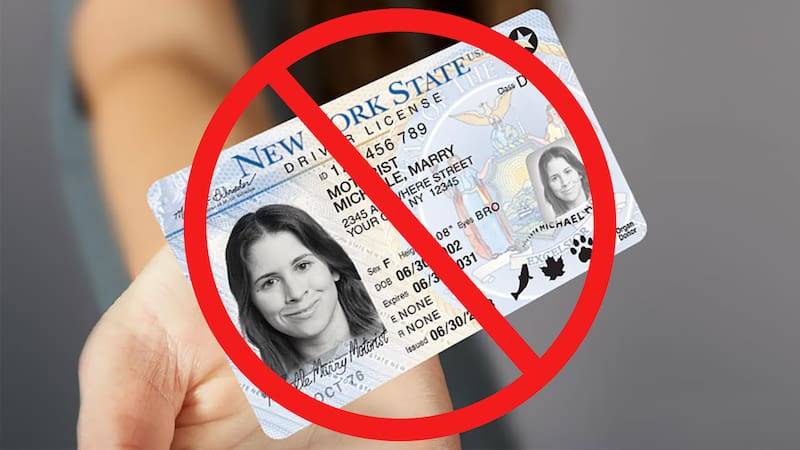
And additionally, impose fines and civil penalties. This can happen even if it is a car that is being stored: if it has plates, it must be insured.
Penalties: What punishments can be applied depending on how long there has been no coverage?
The DMV calculates the suspension period according to how long the vehicle has gone without coverage. This means that if 45 days passed without insurance, that will be the length of the suspension.
On the other hand, if one wants to avoid the suspension, a civil fine can be paid, which is also calculated based on the days spent without being insured.
However, in this case the amount increases every certain number of days:
- Up to 30 days: 8 dollars per day
- Up to 60 days: 10 dollars per day
- Up to 90 days: 12 dollars per day
Once this last period is exceeded, it is no longer possible to avoid suspension by paying fines. At the same time, it is important to clarify that the option to pay is only available once every 36 months.

I received a DMV letter: What should I do?
If you receive a DMV letter, you can take the following steps:
- Submit proof that the vehicle has been insured again
- Show that the interruption was an error by the insurer
- Pay the civil penalty if the law allows it
- Turn in the plates to begin serving the suspension period