En esta noticia
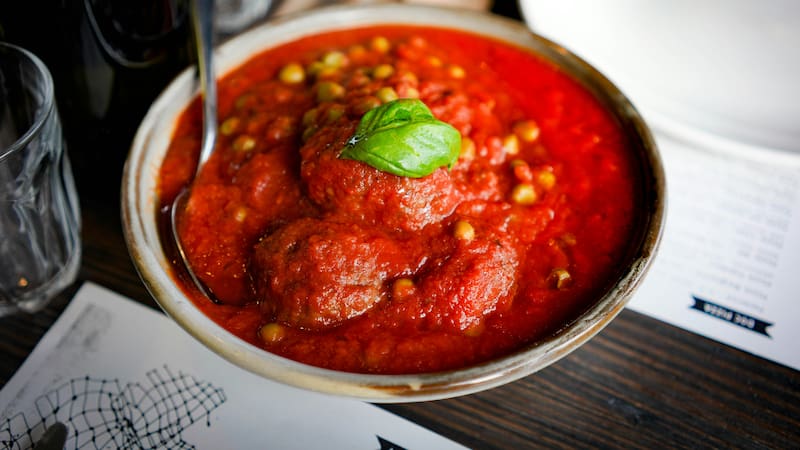
Tomato sauce is one of the most widely used preparations in cooking. It can serve as a base for stews, accompany pasta and rice, or enhance dishes such as eggs, vegetables, and meatballs. However, achieving a balanced flavor without excessive acidity can be a challenge.
One of the most common solutions is to add sugar to counteract that flavor. However, chefs Ferran Adrià and Samantha Vallejo-Nágera recommend not resorting to this ingredient and instead opting for a good sofrito of garlic, onion, and olive oil, accompanied by slow cooking.

How much garlic and olive oil to use
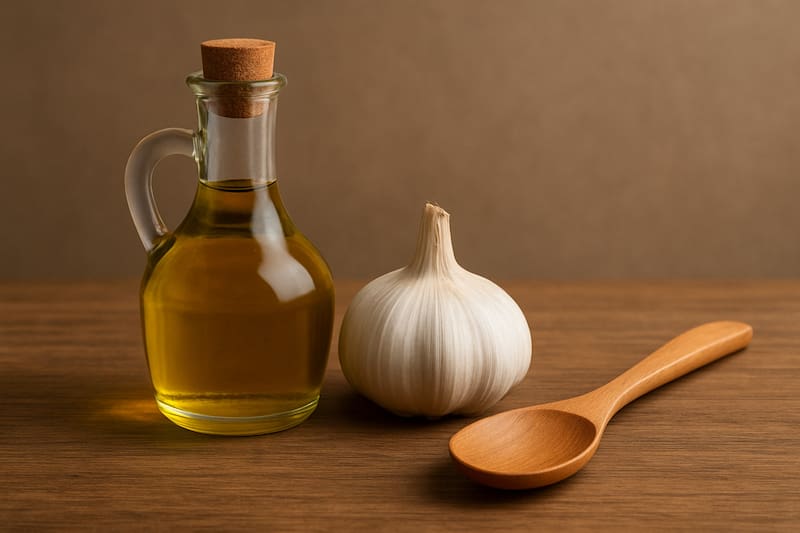
To prepare about 300 grams of tomato, the method uses 150 ml of extra virgin olive oil and three garlic cloves, plus a chopped onion. The first step is to heat the oil in a wide pan over low heat and cook the garlic and onion slowly.
The sofrito should be kept over the heat until the ingredients are very tender and lightly caramelized. This process adds natural sweetness and complexity to the flavor of the preparation, without the need to add sugar.
The ingredient that can be added before the tomato
Once the sofrito is ready, natural crushed tomato, grated tomato, or peeled and chopped ripe tomatoes can be added, depending on the texture desired.
Samantha Vallejo-Nágera also suggests adding 50 ml of white wine to the sofrito before adding the tomato. The alcohol should be allowed to evaporate, and only then is the tomato added to the preparation.
How long should the sauce be cooked?
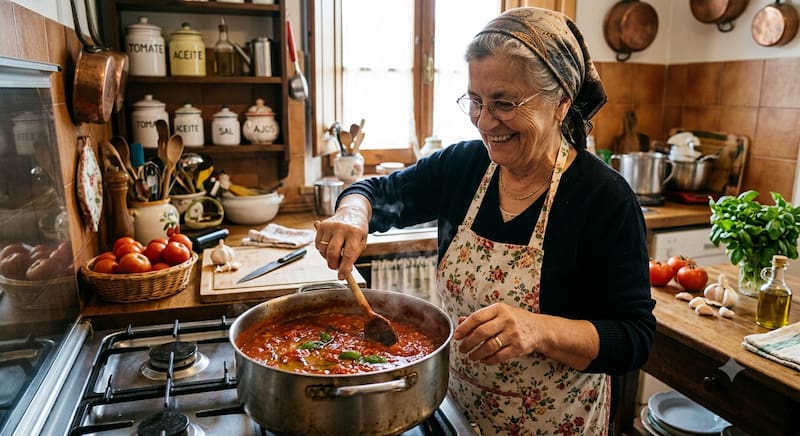
Cooking is another key point of this method. The sauce should be cooked over low heat for between 50 and 60 minutes, so that the water gradually evaporates and the flavors concentrate.
During that time, it is important to stir from time to time. The desired result is a thick, glossy sauce with a balanced flavor, in which the acidity of the tomato is offset by the flavors developed during the sofrito and cooking.
Advice to avoid overdoing the salt
Another of Ferran Adrià’s tips is not to salt the sauce at the start of cooking. The chef recommends adjusting the amount of salt at the end, when the water has already reduced and the flavors are more concentrated.
In this way, the final result can be better controlled, and the preparation can be prevented from becoming too intense after reduction.
How to achieve a smoother or more rustic sauce
The texture can also be adapted depending on the desired result. To obtain a smoother sauce, the preparation can be blended once cooking is finished.
On the other hand, those who prefer a more rustic texture can simply crush the tomato pieces while the sauce is cooking, without needing to process it completely.
Thus, the method proposed by the chefs is mainly based on a good sofrito, olive oil, garlic, and patience during cooking. In this way, the goal is to achieve a balanced tomato sauce without having to resort to sugar to mask its acidity.