En esta noticia
A new labor lawsuit in the United States has put Chick-fil-A, one of the country’s best-known fast-food chains, in the spotlight. The case involves a franchised restaurant in Texas, accused of violating the rights of a female employee who asked not to work on Saturdays for reasons related to her faith.
The legal filing was brought by the Equal Employment Opportunity Commission (EEOC), the federal agency responsible for investigating and penalizing cases of workplace discrimination in the country.

The complaint: what happened with the Chick-fil-A employee
According to the lawsuit, the worker made it clear during her job interview in August 2023 that she needed Saturdays off because of her religious beliefs.
The employee belongs to the United Church of God, a religious community that considers Saturday a sacred day of rest and worship.
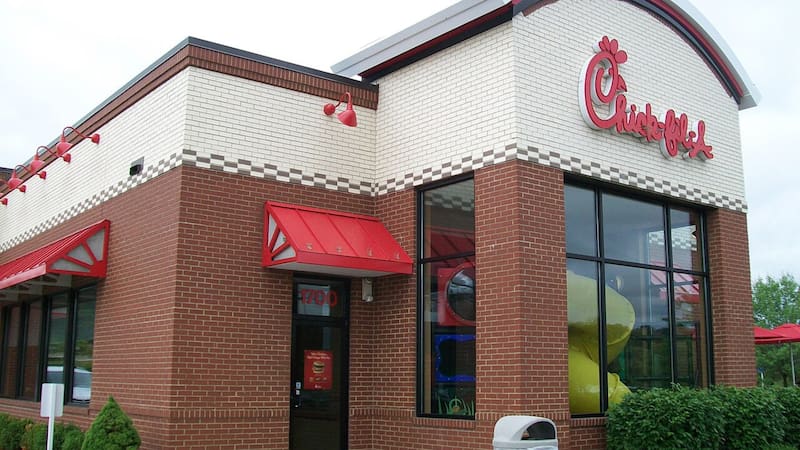
According to the filing, the request was respected for several months. However, the franchised company Hatch Trick Inc. would have changed its stance and required the worker to start working Saturday shifts beginning in February 2024.
After she refused, the company allegedly offered her an alternative that involved:
- a salary reduction,
- fewer work hours,
- loss of employee benefits,
- and a change in position within the restaurant.
The EEOC says that, after rejecting that proposal, the employee was ultimately fired.

Why the case could affect other companies in the United States
The federal agency emphasized that U.S. law requires employers to provide “reasonable accommodations” when a worker requests workplace changes for genuine religious reasons.
This case once again brings to the table a debate that is increasingly common in the United States: how far companies must go to guarantee religious freedom at work.
Although Chick-fil-A clarified that employment decisions are the sole responsibility of each franchisee, the impact of the case could extend to the entire brand, especially because the chain has historically promoted an identity tied to Christian values, including the closure of all its locations on Sundays.
It is now up to the U.S. courts to determine whether religious discrimination occurred and whether the worker should be compensated for the damages suffered.