En esta noticia
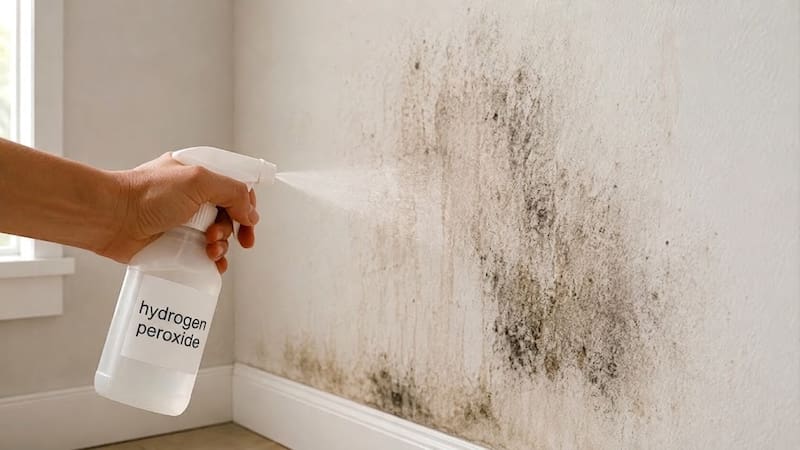
Hydrogen peroxide has other uses beyond disinfecting wounds: it is also very useful when looking to clean superficial stains on the walls of the home due to its oxidizing action.
However, it cannot be used on all walls, since it depends on the type of paint covering them. If applied on an incompatible surface, the color and finish could be damaged.

What is spraying hydrogen peroxide on the walls of the home for?
Hydrogen peroxide can be used to treat some superficial stains on walls, especially when they are the result of the buildup of dirt, organic matter, and slight moisture.
Its oxidizing effect helps lighten stains and significantly reduces the presence of some microorganisms on the surface. However, although it improves the appearance, it does not eliminate mold or solve other underlying problems such as leaks, condensation, and others.
Details to keep in mind for spraying hydrogen peroxide on walls
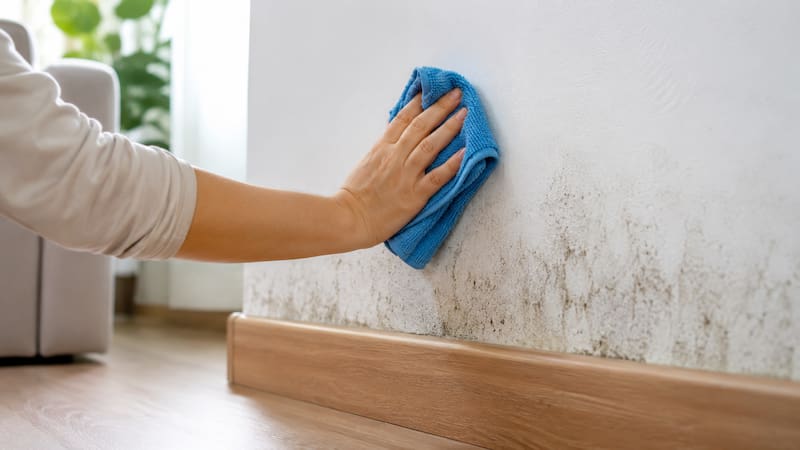
It is important to make sure that the wall covering will not be damaged by hydrogen peroxide, so it is advisable to test the product on a small, inconspicuous area and observe how it dries before continuing.
To use this trick correctly, you should:
- Remove dust from the wall beforehand with a dry or slightly damp cloth.
- Use 3% hydrogen peroxide.
- Apply a small amount to a clean cloth or a small area without soaking the surface.
- Let it sit for a few minutes.
- Wipe with a damp cloth to remove the residue.
- Allow the wall to dry and ventilate the room.
Why do they recommend spraying hydrogen peroxide on walls?
This trick can serve as an alternative for treating stains without having to resort to harsher products. However, it should be considered as a cleaning method and not as a solution to dampness.
If the stains reappear, it is advisable to identify the source of the problem and repair it as soon as possible.