En esta noticia
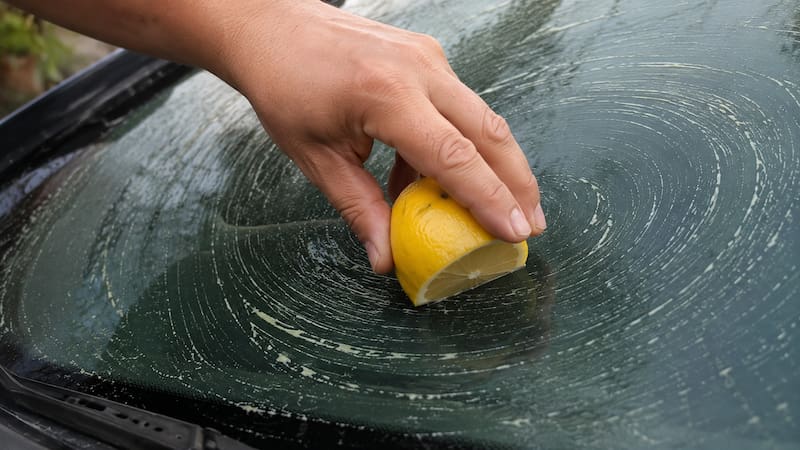
Rubbing half a lemon over the windshield has become a home remedy that is growing in popularity among drivers during the winter. The practice consists of rubbing the cut fruit on the glass the night before a frost.
The goal is to make it harder for ice to stick to the surface before heading out onto the street. The method relies on the lemon’s citric acid, a component that the specialists at the Good Housekeeping Institute say can dissolve residue and act as a natural cleaning agent.
What is rubbing lemon on the windshield for?
The logic behind the trick is that citric acid would act in a similar way to vinegar or alcohol. By remaining on the glass, it would make it harder for water to freeze as easily overnight.
That is why it is recommended to apply it before temperatures drop, and not once the ice has already formed. No specific studies are measuring its effectiveness on the windshield, unlike other home remedies.
Among the alternatives with the most support are:
- Isopropyl alcohol with water: one part alcohol to two parts water; the purer it is, the lower the freezing point.
- Half an onion: rub it on the glass the night before to prevent ice from building up.
- Warm water in a plastic bag: slide it over the windshield to melt the ice in seconds.
How do you apply the lemon trick and what precautions should you take?
The lemon should be cut in half and rubbed directly onto the outer glass, covering the entire surface. It is best to do this at night, before subzero temperatures are forecast.
If the frost lasts several nights in a row, it is advisable to repeat the application each time.
One point that drivers often overlook is caring for the car’s paint.
Solutions based on vinegar, alcohol, or dish soap do not directly damage the paint, but they strip away the wax over time, which exposes the bodywork to corrosive elements such as road salt. That is why it is advisable to wash and wax the car regularly if you rely on these tricks throughout the winter.