En esta noticia
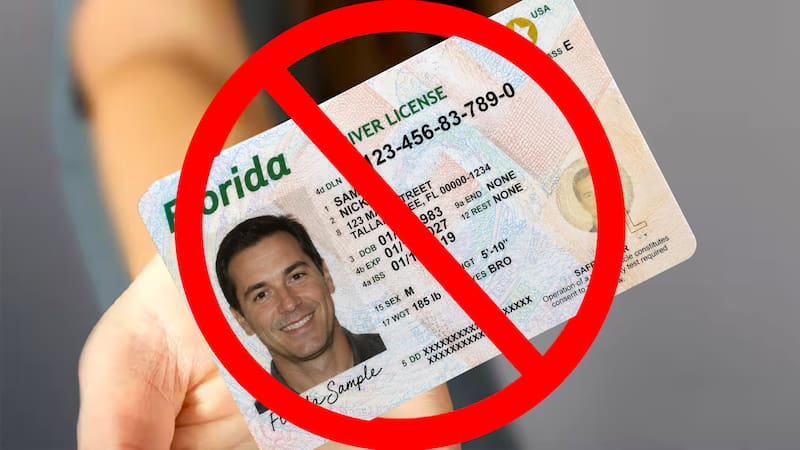
Starting on July 1, 2026, anyone who has an expired driver’s license in the state of Florida will have to renew it under new rules: the card must indicate whether the holder is a U.S. citizen or not.
The measure stems from HB 991, signed by Governor Ron DeSantis on April 1, and represents the most significant change to the state’s identification requirements in recent years.
The law was approved by the Florida Legislature on March 12, 2026, with 77 votes in favor and 28 against in the House, and 27 to 12 in the Senate. The Department of Highway Safety and Motor Vehicles (DHSMV) will be the agency responsible for implementing the change in all new documents issued from that date.
Who must get a new driver’s license in Florida?
The requirement applies to those who need to renew their expired license or apply for a new one starting on July 1, 2026. Those who have a valid license are not required to go to the DMV before its expiration date: the change does not apply retroactively.

The law states that the DHSMV must issue, at no additional cost, a new card to anyone who updates their legal status by becoming a U.S. citizen. The legislative text makes clear that this benefit applies only if the update is made within the corresponding deadline.
What changes on the driver’s license and what happens if you do not comply?
Driver’s licenses and identification cards issued starting in July must reflect the holder’s citizenship status. Residents with a current legal immigration status may continue obtaining their license, since Florida law only allows documents to be issued to people with regular immigration status.
Deadlines to keep in mind
- July 1, 2026: the requirement to include citizenship status on new licenses and renewals takes effect.
- January 1, 2027: the rest of HB 991’s provisions come fully into force.
Those who drive with an expired license without having completed the renewal under the new format may face the usual traffic penalties for driving without valid documentation. The law does not set additional specific penalties tied to the citizenship indicator, but it does strengthen the general identification framework required to vote and drive in the state.