En esta noticia
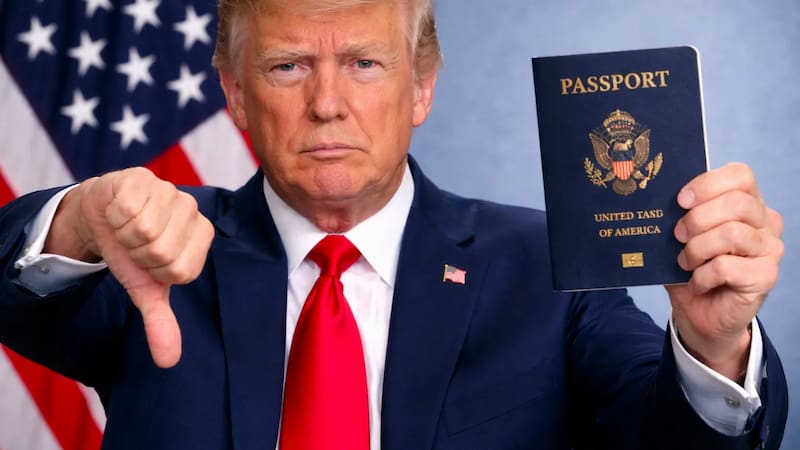
Thousands of people in the United States may be unable to travel even if they have a valid passport. The State Department can deny, revoke, or cancel the passport of those who owe more than $2,500 in child support, thus blocking entry to and exit from the country.
The measure is coordinated between the State Department and the Department of Health and Human Services (HHS), which certifies the debts to the federal government. The document is disabled even if it has already been issued and even if it is up to date.
Who cannot leave or enter the United States because of this measure?
The restriction applies to all U.S. citizens who have a child support debt greater than $2,500 in any state in the country. In those cases, the federal government does not issue or renew the passport and can revoke those already in circulation.
What happens if the passport has already been revoked?
The notice arrives by email or at the address registered in the last application. From that moment on, the document is no longer valid for travel, even if the holder has paid off the debt. To travel again, it is necessary to apply for a new passport. Those abroad can go to the nearest consulate to obtain a document with limited validity that only allows direct return to the United States.
What must affected people do to recover their passport?
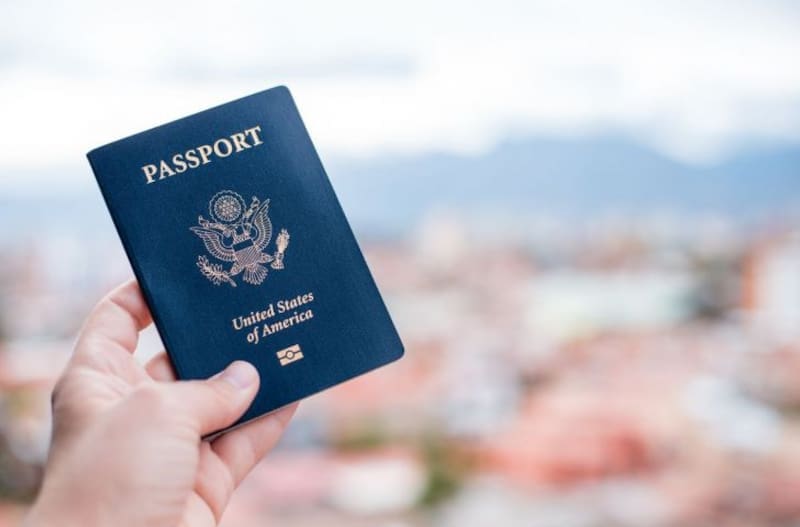
Those who owe support in more than one state must settle the debt in all of them. The process follows four steps: pay the corresponding state agency, wait for the state to notify HHS, wait for HHS to remove the name from its records and inform the State Department, and only then can the passport be issued or reactivated.
- Step 1: Pay the debt in all states where it is owed.
- Step 2: The state notifies HHS of the payment.
- Step 3: HHS removes the record and informs the State Department. Minimum 2 to 3 weeks.
- Step 4: The State Department verifies and resumes the application.
Those who have urgent travel should keep in mind that there are no exceptions to the process. The passport is not issued until HHS confirms eligibility.