En esta noticia
The bathroom, long relegated to functionality, is beginning to transform with innovations that completely change the daily experience. In this context, smart toilets have ceased to be a rarity and are positioning themselves as one of the strongest global trends in 2026.
What once seemed exclusive to luxury hotels or Asian destinations is now advancing in homes around the world, driven by the search for greater comfort, hygiene, and efficiency.
Smart toilets: how they work and why their use is becoming more popular worldwide
The well-known washlets were born in Japan, but their growth is now international. These are devices that integrate the toilet and bidet functions into a single unit, incorporating advanced technology to improve personal hygiene.
Among their main features are adjustable water-cleaning systems, which allow temperature, pressure, and direction to be set. These are joined by functions such as hot-air drying, heated seats, and automatic sensors that detect the user’s presence.
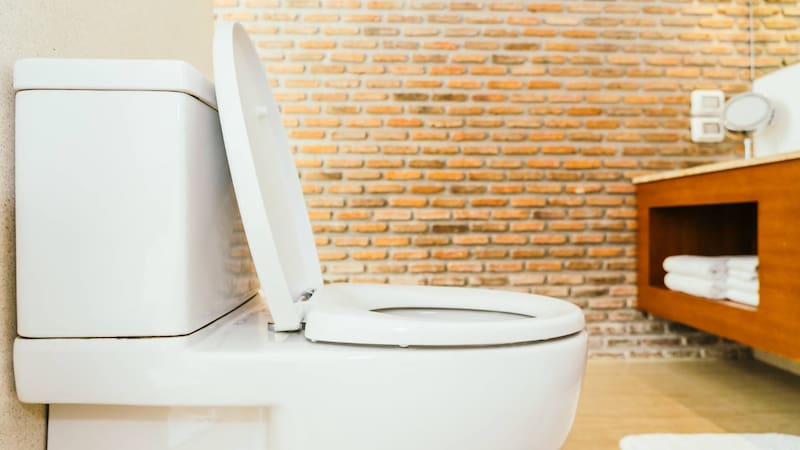
The advance of this technology responds to a broader trend of smart homes, where every element seeks to optimize the everyday experience. Architects and designers already consider them part of the standard in modern projects.
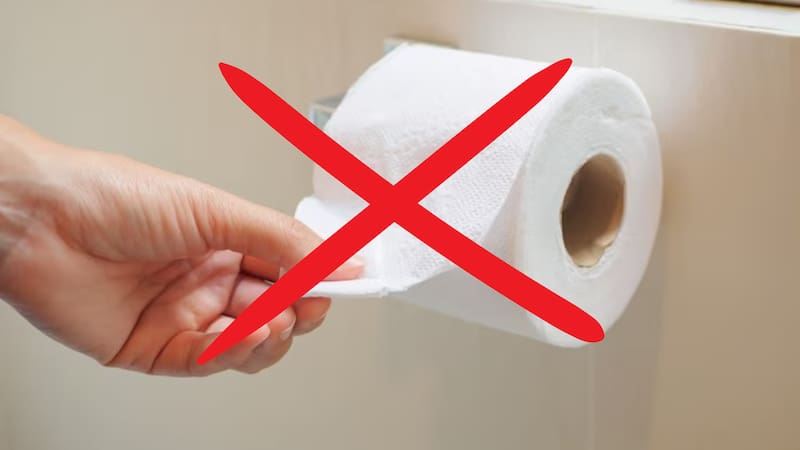
Goodbye to toilet paper: the global trend gaining momentum in 2026
One of the most disruptive changes brought by smart toilets is the possible reduction—or even elimination—of toilet paper. The use of water allows for a deeper clean compared with traditional methods.
In addition to improving hygiene, this technology reduces direct contact and is gentler on the skin. Many models also include antibacterial systems and self-cleaning programs that raise sanitary standards.
From an environmental perspective, the impact is also considerable. Less paper consumption means a reduction in the demand for natural resources, which makes washlets an option aligned with sustainability trends.
Benefits and how to implement modern hygiene habits
Beyond the innovative factor, smart toilets provide comfort and efficiency in daily use. The automation of functions simplifies the routine, while advanced materials help maintain the equipment’s hygiene.
However, cleaning remains essential. Even with automatic systems, it is important to maintain a disinfection routine to prevent the buildup of bacteria and odors.
The worldwide growth of washlets marks a profound change in household habits. The integration of technology into the bathroom not only redefines personal hygiene but also anticipates a future in which every detail of the home will be designed to offer a more comfortable, efficient, and sustainable experience.